Smile aesthetics
Sensitivity to cold and hot: what to look out for on your teeth
Pain with cold or hot drinks can have different causes. Understand the limits of the paste for sensitivity, what to report to the dentist, and what signs require attention.
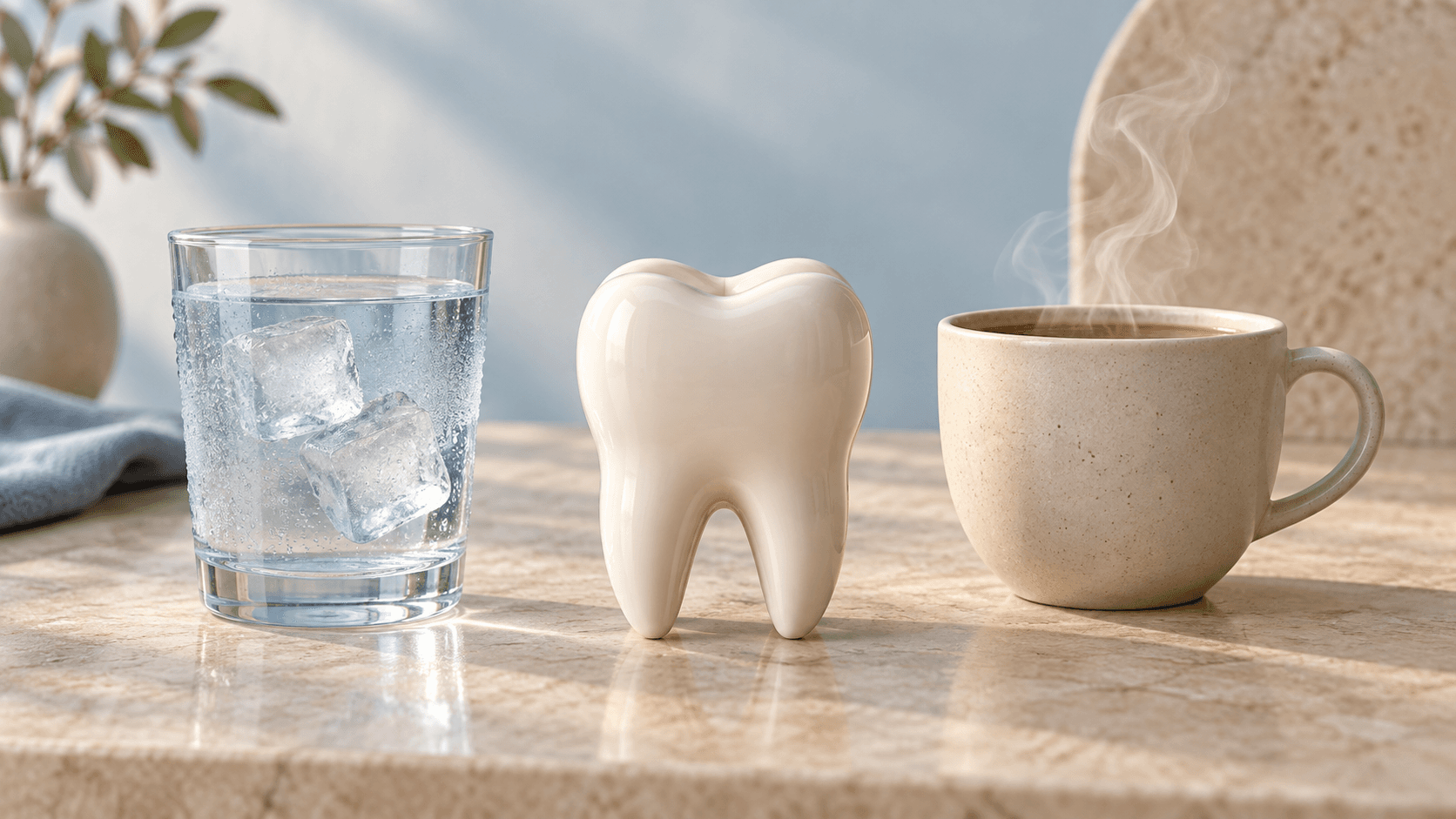
Feeling pain when drinking something cold or hot does not identify, on its own, the cause of the problem. The American Dental Association (ADA) relates sensitivity to different situations, such as caries, fracture, worn restoration, gum alteration and root exposure. When the discomfort is repeated, dental evaluation helps to distinguish these possibilities before choosing a product or treatment.
Why can the temperature cause discomfort?
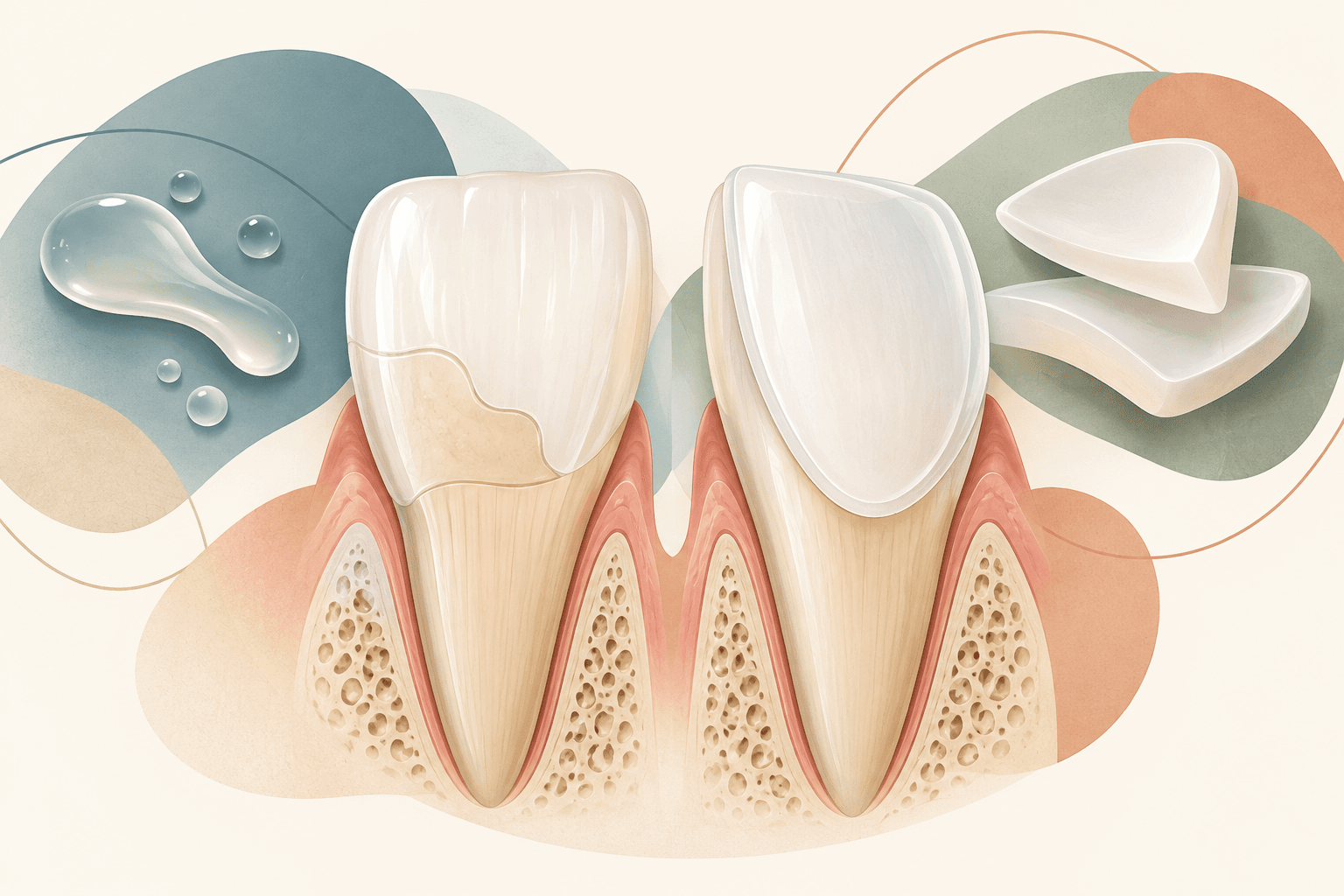
The ADA explains that dentin is under the protective layers of the tooth and contains small tubules. When it loses this protection, stimuli can reach internal structures and cause sensitivity. This explanation does not confirm that any cold pain is just exposed dentin: it is necessary to examine the tooth and consider other causes.
Does sensitivity paste solve any case?
No. According to the ADA, the choice of treatment depends on the cause. Desensitizing toothpastes are one of the options and may require multiple applications to reduce the symptom. In other situations, it may be necessary to treat a tooth or gum problem. The response to the paste does not replace the diagnosis or allow you to decide, on your own, that a restoration is intact.
What to look out for before the appointment
Write down how the discomfort appears, without repeating tests with ice or drinks to cause pain. An organized report facilitates the conversation:
- Which tooth or region seems to bother you?
- Does the discomfort appear with cold, heat, brushing or chewing?
- Does it pass soon or does it continue after the stimulus ends?
- When did it start and was there any recent treatment?
- Is there also pain when biting, bleeding, swelling or bad taste?
When does pain require more attention?
The NHS recommends dental evaluation for toothache that lasts more than two days or is accompanied by fever, pain when biting, red gums, bad taste or swelling in the cheek or jaw. These signs should not be treated only as sensitivity. Do not wait this time if the condition is worsening or there are signs of severity.
Swelling near the eye or in the neck, or swelling that makes it difficult to breathe, swallow or speak, requires emergency care. This NHS guidance addresses warning signs associated with dental pain, not a prediction about who feels a twinge when drinking cold water.
Care while awaiting evaluation
In the guidance for dental pain, the NHS recommends avoiding very hot or cold foods and using a soft brush while waiting for care. These precautions can reduce stimuli, but do not necessarily correct the cause. Ask for individual guidance for hygiene of the painful area and do not use this article to choose medications.
The article on dental erosion, in the complementary reading, explains one type of wear; it does not cover all causes of sensitivity. This text was produced with the assistance of AI and institutional sources and does not replace individual assessment.
Frequently asked questions
Doubts that help prepare the conversation.
Does cold water pain mean I need a root canal?
This cannot be concluded by the symptom alone. Sensitivity can have different causes, and the indication for treatment depends on the dental evaluation.
Traceability
Sources
- Sensitive Teeth — Causes and Care OptionsAmerican Dental Association — MouthHealthy
- Toothache — evaluation and warning signs; reviewed on 07/01/2024NHS
- Further reading: Dental erosion and enamel wearBlog Dr. Rodolfo Segawa