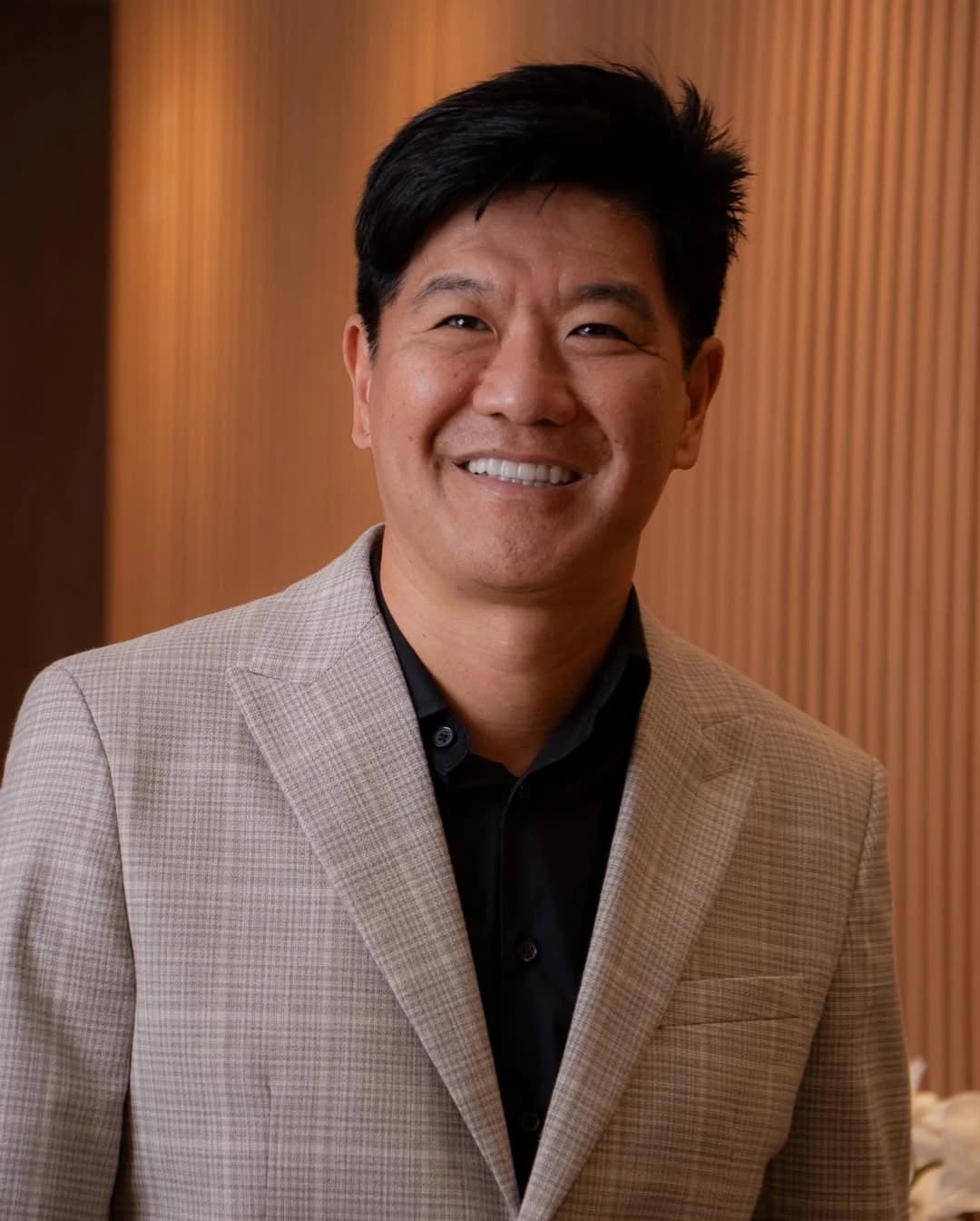
Segawa Method
Precision to transform. Criteria to preserve.
An authorial approach to porcelain veneers that organizes diagnosis, digital planning and execution around an individual smile, never a ready-made formula.
Indication, preparation, deadline and result depend on individual evaluation.
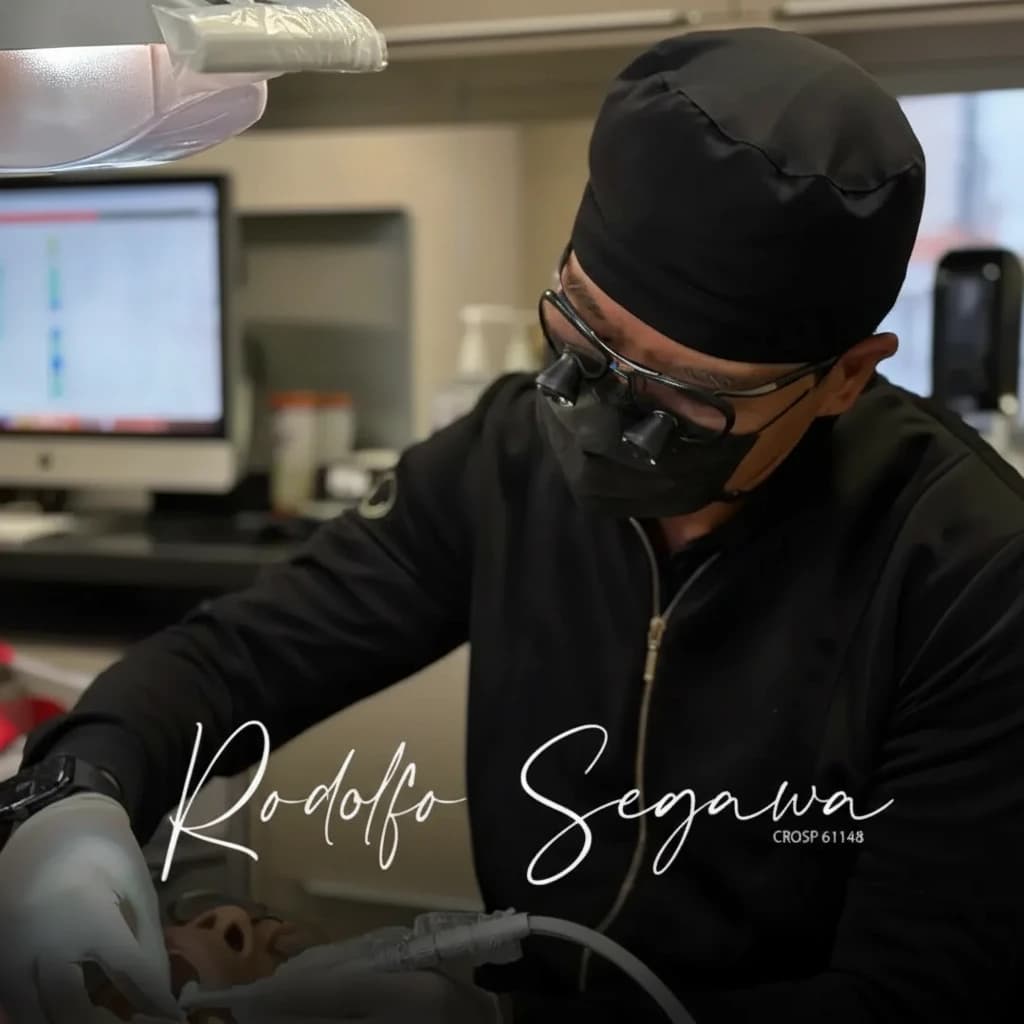
01Digital planning
02Dental preservation
03Individual naturalness
The logic of the method
The veneer doesn't come first. The case comes.
The Segawa Method is not a different type of porcelain. It is a way of organizing decisions so that material, thickness, shape and finish respond to the characteristics of each smile.
Compared to more standardized approaches, the focus is on understanding the starting point, preserving what's healthy, and testing possibilities before setting the execution.
Less about repeating a smile. More about revealing what makes sense for that face.
Naturalness does not mean invisibility. It means proportion, texture, color and presence built together, respecting the identity of each person.
What guides the approach
Five differentials that work together.
No resource works in isolation. The indication arises from the meeting between clinical evaluation, objectives and real possibilities.
- 01
Digital Smile Planning
Photographic records, scanning and analysis of proportions organize the conversation before the execution.
- 02
Maximum preservation
Adjustments are defined by the need of the case, with priority given to maintaining a healthy tooth structure.
- 03
Individual naturalness
Shape, texture, color and relationship with the face are designed to maintain coherence with the person's expression.
- 04
Day Clinic when indicated
Some steps can be concentrated when evaluation, complexity, and clinical safety allow.
- 05
Close communication
Patient, clinic and laboratory work with aligned references during planning and execution.
From planning to execution
A sequence that reduces improvised decisions.
Each step prepares for the next and can be adapted to the complexity of the case.
- 01
Understand
Complaint, expectations, history and limits enter the conversation before any proposal.
- 02
Register and plan
Photography, scanning, and clinical reading help build an individual smile view.
- 03
Validate
Possibilities, materials, and level of preparedness are discussed before the shared decision.
- 04
Execute and track
The execution follows the approved plan and continues with guidelines and monitoring defined for the case.
Compared to traditional approaches
The difference is in the starting point.
The method avoids treating the veneer as an isolated solution. Planning begins with the whole: health, available structure, function, face, expectations and alternatives.
- Start with the diagnosis, not the part.
- Set preparation as needed, not by fixed default.
- Choose shape and texture for the case, without copying a template.
- Define deadline by complexity, without automatic promise of speed.
Presentation of the method
Shared knowledge, individual care.
Dr. Rodolfo brings together clinical experience, planning and continuous training to conduct each case individually.