Smile aesthetics
Can caries exist without pain? What the evaluation clarifies
The absence of pain does not rule out caries. Understand the difference between initial changes and cavities and which questions help to understand the dental evaluation.
Yes, there can be caries without pain. The NIDCR, an institute of the NIH in the United States, informs that the initial phase usually does not cause symptoms. Therefore, the absence of discomfort does not confirm that the tooth is free of caries; dental evaluation is the way to clarify a suspicion.
Initial caries and cavity are not the same stage
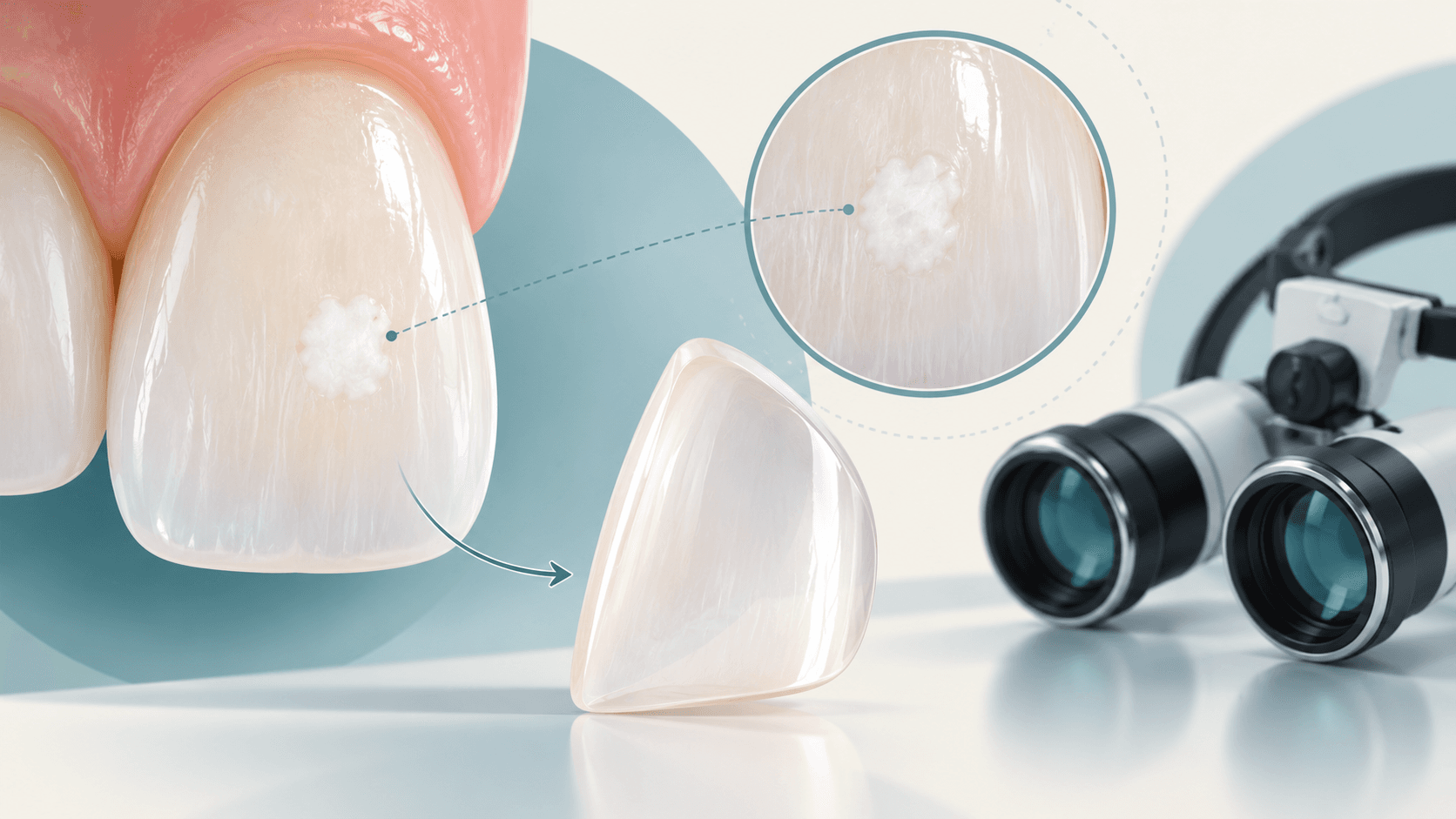
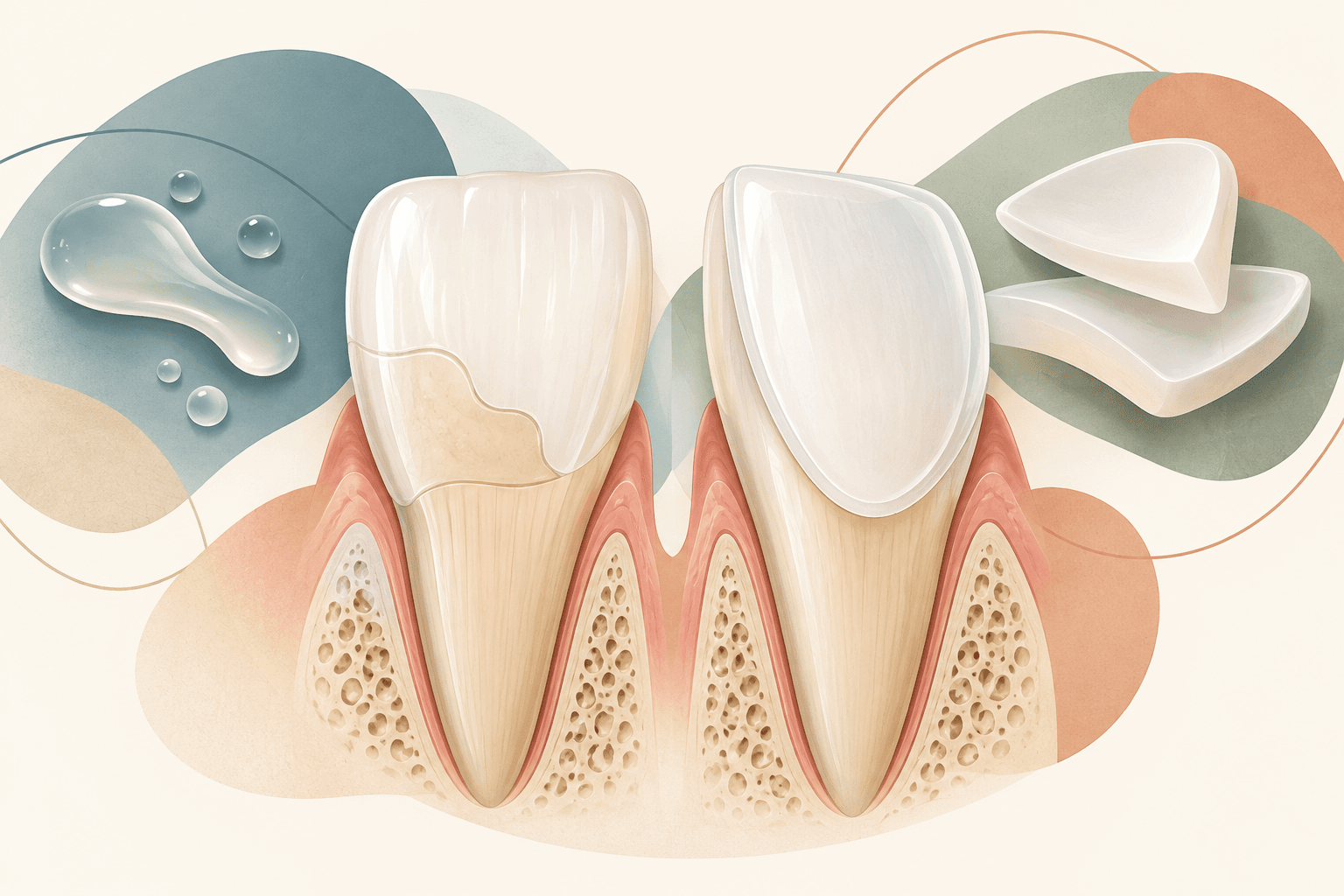
According to the NIDCR, the initial loss of minerals can be stopped or reversed before a cavity appears. When the structure breaks and a hole appears, the situation is different and may require restoration. This distinction depends on the examination: it is not possible to choose the conduct only by the presence or absence of pain.
How the assessment helps to discover the problem
The NIDCR describes that the dentist can identify changes in the exam and, when necessary, use x-rays. A stain seen in the mirror does not allow you to conclude on your own whether there is a cavity or how deep it is. Bring the question to the consultation instead of using a photograph as a diagnosis.
Does this also happen in adults?
The American Dental Association (ADA) clarifies that caries also affects adults. Roots exposed by gingival retraction and regions near the edges of restorations may present lesions. Having a restored tooth does not dispense with daily monitoring and hygiene.
What to ask when a suspicion appears
- On which surface of the tooth is the alteration found?
- Is there a cavity or an initial change that still needs to be tracked?
- What findings of the examination support the proposed conduct?
- What changes in daily care and when should I return?
These questions help you understand the professional's explanation and the reason for the proposed plan. You can also write down when you noticed the change, if there was a change in your diet and what products you use for hygiene. You don't need to arrive at the appointment with a ready-made diagnosis.
Prevention continues even without symptoms
The ADA advises brushing twice a day with fluoride toothpaste, cleaning between teeth daily and having appointments for professional examination and cleaning. Balanced diet and reduction of frequent snacks are also part of the guidance. Additional products and the interval between appointments need to be discussed according to the individual assessment.
If the difficulty is to organize the cleaning between the teeth, the article on dental floss in the complementary readings below explains how to fit this step into the routine. This text is educational, was prepared with the assistance of AI and does not replace clinical examination.
Frequently asked questions
Doubts that help prepare the conversation.
Can a tooth with restoration have decay again?
Yes. The ADA describes that lesions may appear near the edges of the restorations. The presence of a restoration does not eliminate the need for hygiene and periodic evaluation.
Traceability
Sources
- Tooth Decay — tooth decayNIDCR / National Institutes of Health (NIH)
- Cavities — information about cavitiesAmerican Dental Association (ADA)
- Floss before or after brushing? How to organize the routineBlog Dr. Rodolfo Segawa