Smile aesthetics
Porcelain veneer loosened or broke: when to seek care?
Learn how to report a loose or broken porcelain veneer, what signs require emergency, and why repairing or replacing depends on evaluation.
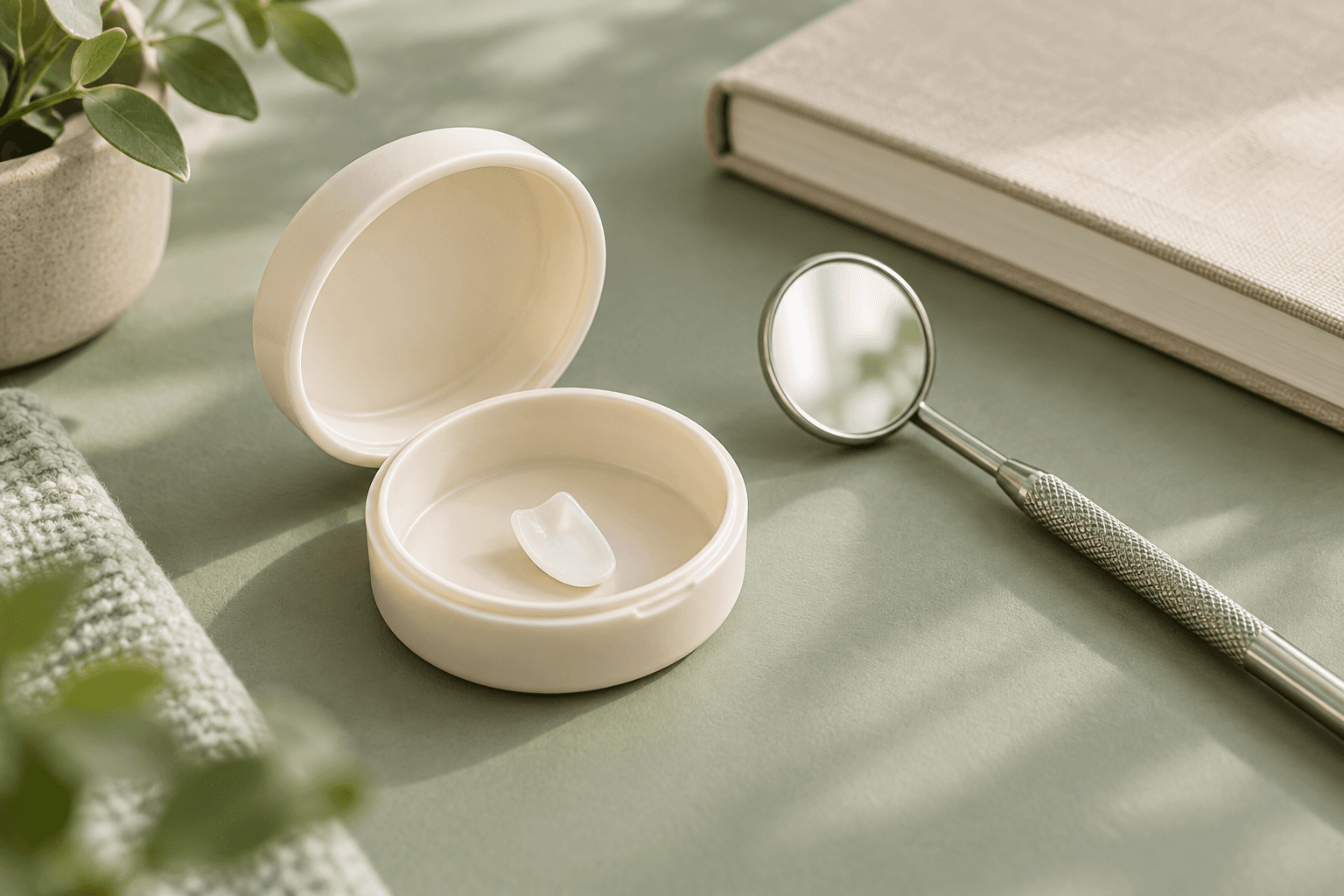
If a porcelain veneer becomes loose or breaks, contact a dentist and describe what happened to receive guidance on care. Do not wait for the next routine check-up to let you know. The NHS, the British public health service, includes loose or broken veneers among the situations that need urgent dental evaluation.
Letting go doesn't mean the solution will always be the same
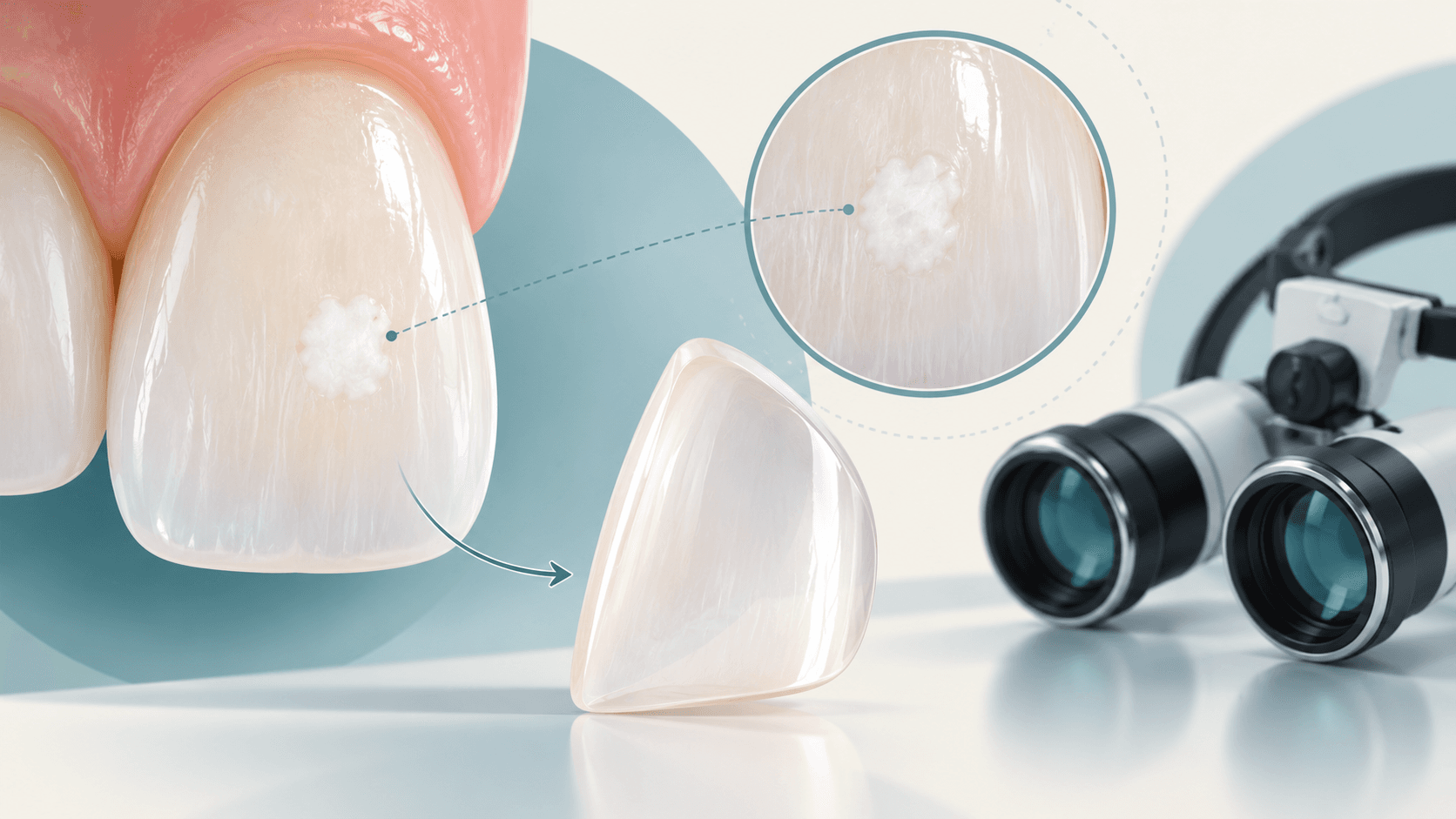
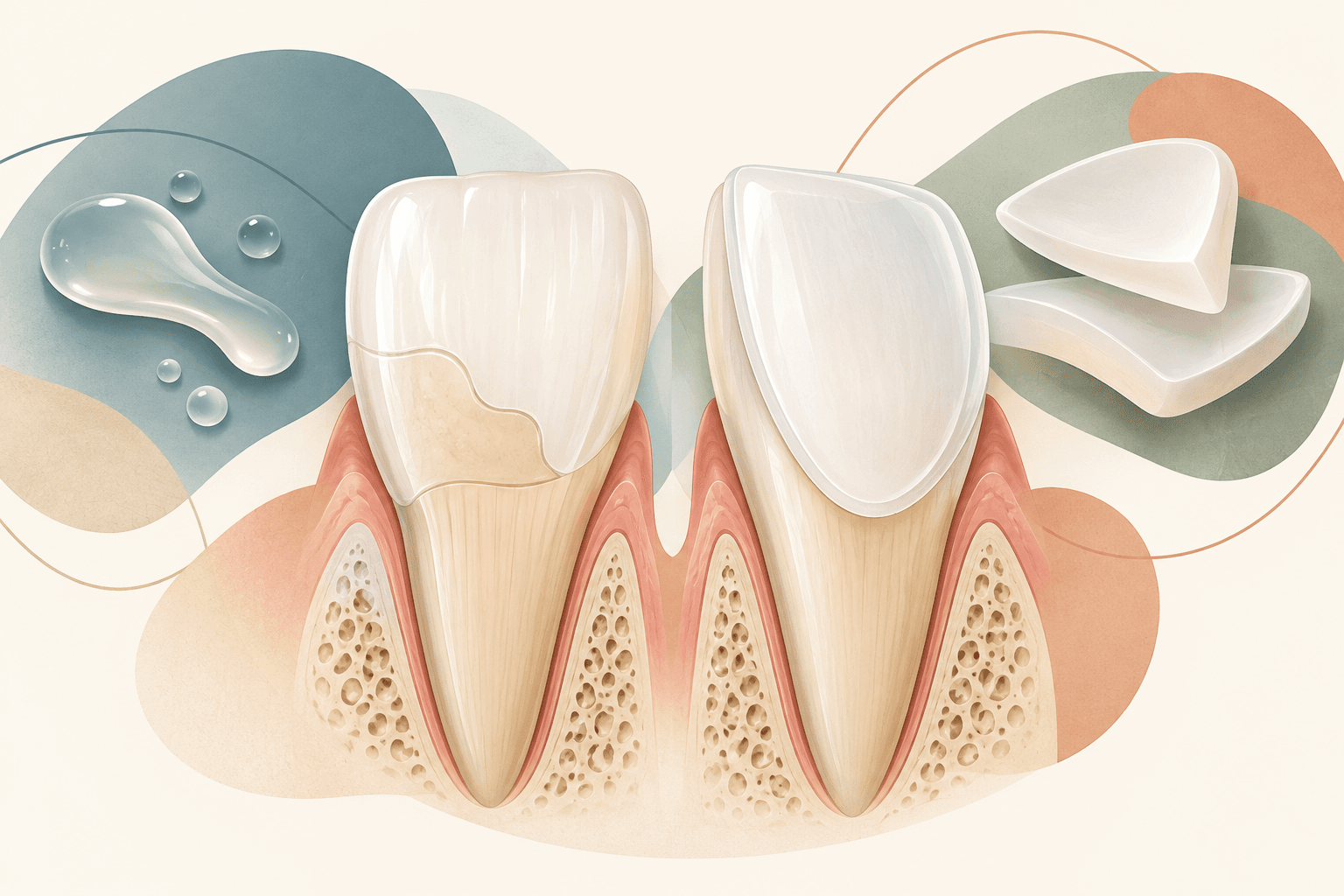
The American Dental Association (ADA) advises that veneers can chip, crack, wear or loosen and need refixation, repair or replacement. These are possibilities, not a conclusion about your piece. The appearance seen in the mirror or in a photo does not allow you to choose between them alone.
What to inform when contacting
- When he noticed the change and if there was a crash or other associated episode.
- If the piece came out in one piece, it looks broken or remains stuck, but it moves.
- If there is pain, bleeding, swelling, or change when closing the mouth.
- If the change is making it difficult to eat, sleep, or habitual activities.
This script organizes the report for screening; it is not a diagnostic test. If there is a change in symptoms while waiting, inform the service again. The deadline and type of care depend on the situation, and this article does not promise availability of an agenda at the clinic.
Avoid turning the problem into a home repair
Fixing the veneer is part of dental treatment. Do not try to solve it with household glue or adjust the piece on your own. Ask the service how to proceed to the appointment and what to bring. The ADA recommends that treatment with veneers be performed by a qualified dentist.
When to seek emergency immediately
Heavy bleeding that does not stop, severe injury to the face or jaw, and significant swelling with difficulty breathing require immediate emergency care. These signs are highlighted by the NHS. In Brazil, seek an emergency service; do not wait for an aesthetic appointment or a response by message in the face of respiratory difficulty.
What to clarify after the evaluation
Ask your dentist to explain the problem you identified and why they recommend reattaching, repairing, or replacing. Also ask what care and returns will be needed. It is not possible to conclude that all veneers should be changed because one of them has changed; the decision needs to consider the exam.
To understand follow-up over time, see the article on duration and maintenance of veneers in supplementary readings. Educational content prepared with AI-assistance, without individual diagnosis, prescription, or stated clinical review.
Frequently asked questions
Doubts that help prepare the conversation.
Can a loose veneer be reattached?
The ADA cites new fixation, repair and replacement among the possibilities. Which one applies depends on the evaluation of the piece and the condition of the tooth; it is not possible to guarantee replacement without examination.
Traceability
Sources
- Veneers — Changes and Repair PossibilitiesAmerican Dental Association (ADA) — MouthHealthy
- Emergency or urgent dental appointment — signs for careNHS — public health service in the United Kingdom
- How long does a porcelain veneer last? Care, scratches and maintenanceBlog Dr. Rodolfo Segawa