Smile aesthetics
Diabetes and oral health: what to bring to the dental appointment
Learn why to report diabetes to the dentist, what changes in the mouth deserve evaluation and how to organize information before dental procedures.
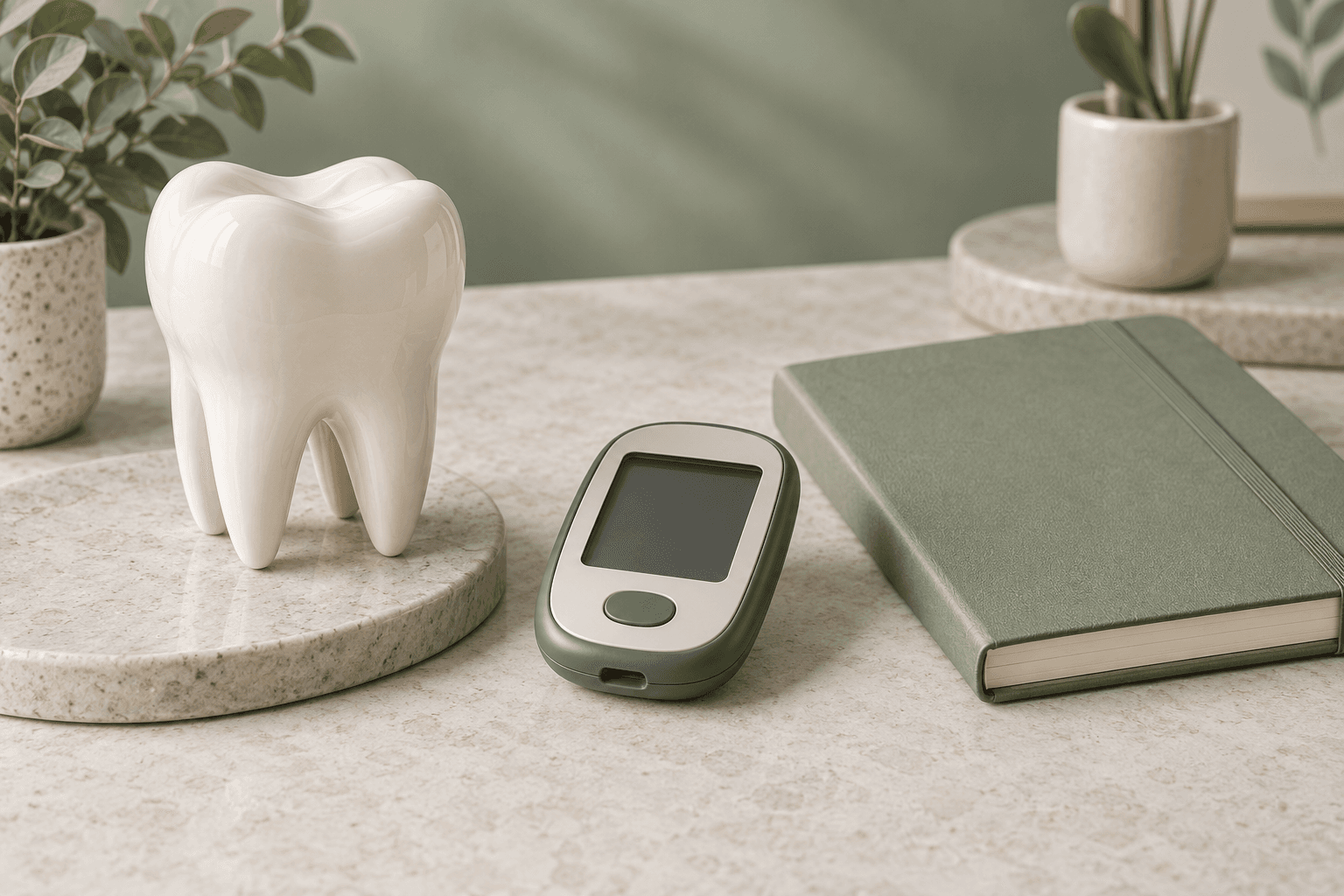
Those who have diabetes should inform the dentist of the diagnosis and keep monitoring of the mouth along with blood glucose care. The NIDCR, the NIH institute in the United States, explains that diabetes increases the chance of periodontal disease and can make healing slower. This requires individual planning, without meaning that every person with diabetes will have the same problem.
Why does the gums enter this conversation?
According to the NIDCR, when diabetes is not controlled, oral problems are more likely; gum disease can also make it difficult to control blood glucose. Dental care is part of health care, but it does not replace medical treatment of diabetes.
What changes in the mouth are worth reporting
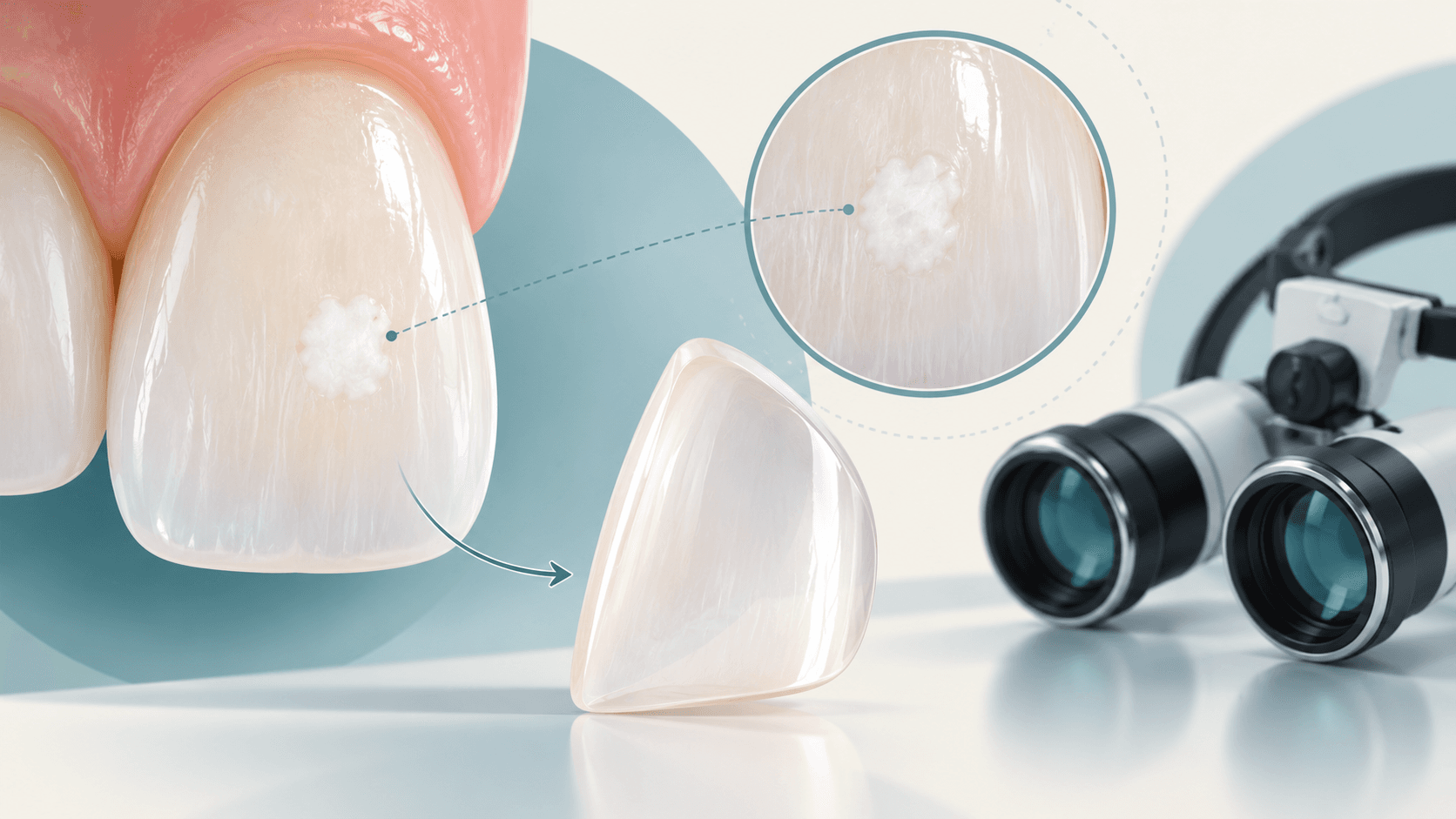
The NIDCR cites swollen or bleeding gums, dry mouth, pain, and white spots as reasons to seek evaluation. These signs don't allow you to identify the cause on your own. Tell them when they started and how they interfere with eating or hygiene.
Prepare the information before the consultation
The NIDDK, an NIH institute dedicated, among other topics, to diabetes, advises informing you how long you have been diagnosed, what medications you use and if there have been changes in health or high blood glucose. Carrying an updated list avoids depending only on memory.
- Write down the names of the medications and how they were prescribed.
- Report recent changes in diabetes follow-up.
- Describe difficulties chewing, cleaning teeth, or wearing dentures.
- Ask if the professionals who accompany you need to exchange information before a procedure.
Extensive surgery and procedures require prior combination
The NIDDK recommends notifying the doctor when oral surgery or extensive dental treatment is expected. Questions about glucose monitoring and possible medication adjustments should be discussed with the responsible team. Do not change doses or schedules on your own based on general internet guidance.
How to organize the follow-up
The NIDDK advises asking the dentist the frequency of revisions and which hygiene products and accessories are suitable for your needs. Also agree on what to do if a problem arises before returning. There is no blood glucose value in this article that releases or prohibits an individual procedure.
A practical way to end the consultation is to confirm three points: what was found in the mouth, what the next step is, and who will clarify the doubts about diabetes before it. This educational content was prepared with the assistance of AI and is not a substitute for clinical evaluation.
The complementary reading on dry mouth, in the sources below, helps to organize the report of this symptom when it is present.
Frequently asked questions
Doubts that help prepare the conversation.
Should I change diabetes medications before going to the dentist?
Do not make adjustments on your own. If the procedure requires any changes, they should be discussed with the team responsible for their follow-up, as directed by the NIDDK.
Traceability
Sources
- Diabetes & Oral Health — Diabetes and Oral HealthNIDCR / National Institutes of Health (NIH)
- Diabetes, Gum Disease, & Other Dental ProblemsNIDDK / National Institutes of Health (NIH)
- Persistent dry mouth: what to watch out for and bring to the consultationBlog Dr. Rodolfo Segawa