Smile aesthetics
Bruxism and porcelain veneers: what to evaluate before treatment?
Anyone who clenches or grinds their teeth needs to discuss this habit before placing porcelain veneers. Understand the signs, limits, and the role of planning.
Clenching or grinding your teeth is important information before planning porcelain veneers. This behavior can occur during sleep or while the person is awake. The evaluation should consider the health of the teeth, signs of overload, and aesthetic expectations before choosing any procedure.
What signs deserve to be reported?
The NIDCR, a dental research institute in the United States, describes wear, chips, sensitivity, and tiredness or pain in the jaw among the possible signs related to bruxism. Some people do not notice the habit. An isolated symptom does not confirm the cause; it is worth reporting when it appears, its frequency, and if anyone observes noises during sleep.
Why does this interfere with veneers?
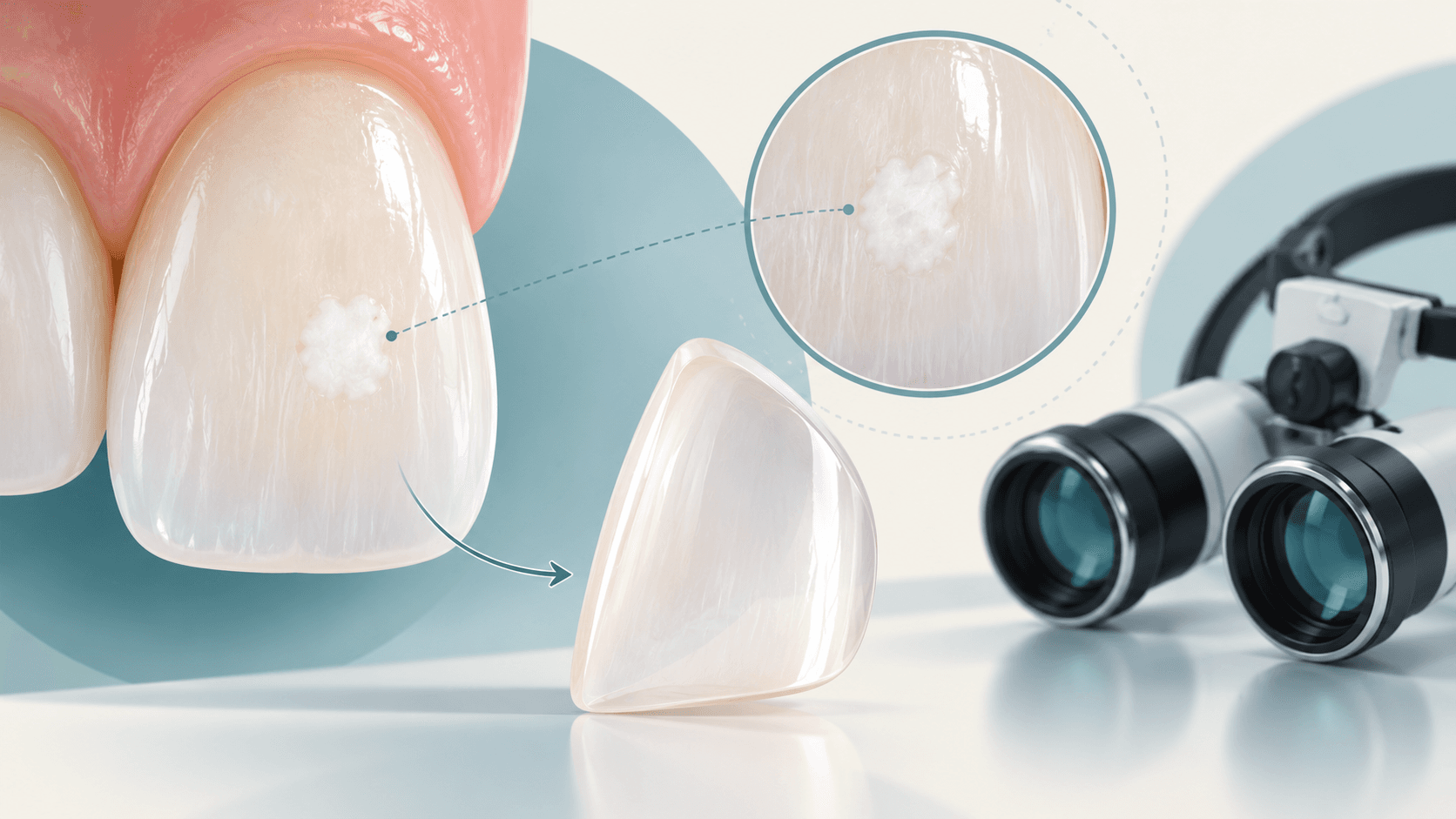
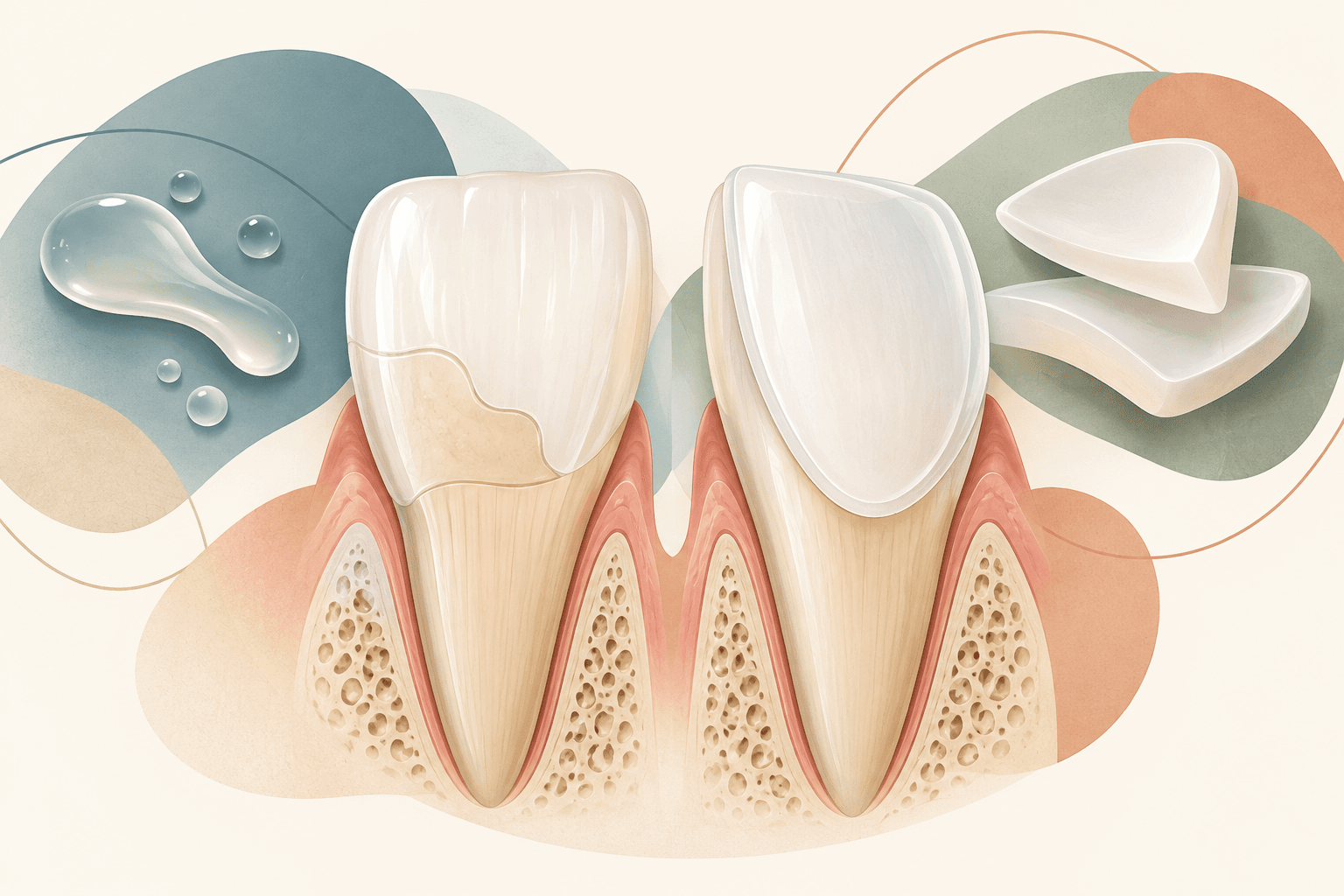
Ceramic laminates cover the face of the teeth and can suffer chips, cracks or other problems that require repair or replacement. The American Dental Association reports that those who clench or grind their teeth may not be a good candidate for veneers. This requires individual evaluation: a photograph of the smile does not allow us to conclude whether the treatment is indicated or what care would be necessary.
Do veneers treat bruxism?
They should not be presented as a treatment to eliminate the habit of clenching or grinding the teeth. The NIDCR differentiates the management of bruxism from procedures aimed at repairing structures that have already been damaged. Before discussing the aesthetic change, ask how the identified signs will be investigated and followed. A restoration, by itself, does not replace this plan.
What is the role of the plate and the accompaniment?
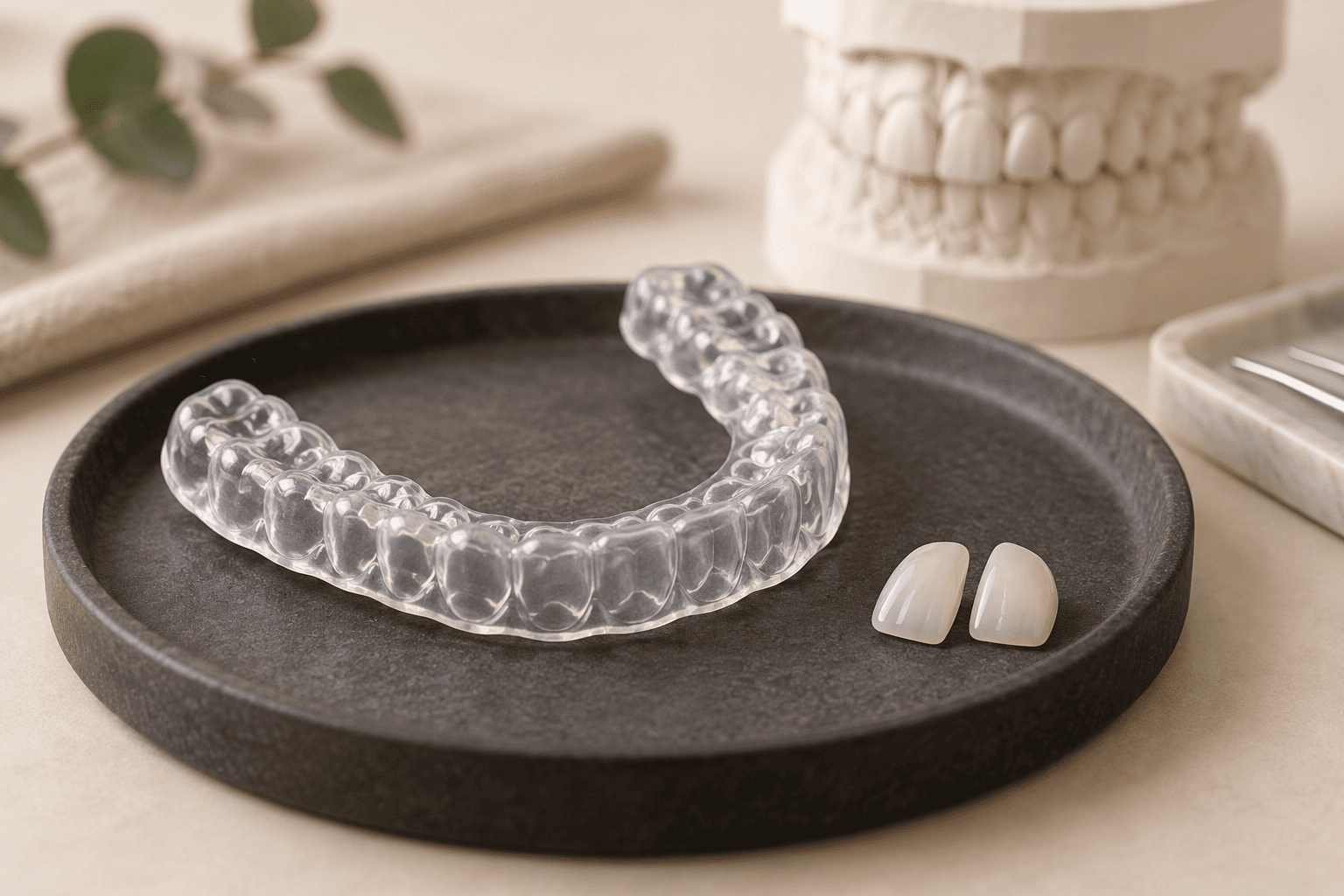
Intraoral devices may be indicated by the professional to separate and protect the teeth. The indication and adjustment depend on the case, and do not represent a guarantee against fractures. In the NIDCR educational interview, follow-up is important to recognize the impact of clenching and discuss conducts. Avoid choosing a device only by advertisement; take your questions to the dentist in charge.
How to organize a more conscious decision?
Take to the consultation the history of broken restorations, discomforts, previous treatments and medications in use. Ask for an explanation about alternatives, the need for tooth preparation and expected maintenance. Also record what you hope to change in the smile. The decision should consider health and function, in addition to appearance. This text is educational and does not confirm bruxism or eligibility for veneers; the cover image is illustrative.
Frequently asked questions
Doubts that help prepare the conversation.
Can those with bruxism put veneers?
Bruxism can limit the indication. An evaluation of the teeth, signs of overload and alternatives is necessary before deciding.
Do porcelain veneers end bruxism?
No. Aesthetic change should not be promised as a solution to the habit of clenching or grinding your teeth.
Does using plate guarantee that the veneer will not break?
No. When indicated, the plate integrates a protection and monitoring plan, without eliminating all risks.
Traceability
Sources
- BruxismNational Institute of Dental and Craniofacial Research — NIDCR
- VeneersAmerican Dental Association
- Ask the Expert: BruxismNational Institute of Dental and Craniofacial Research — NIDCR