Implants and rehabilitation
How long does a dental implant last?
Understand what "lasting" means in the dental implant: the pin (fixture) and the crown are different parts, which habits and maintenance influence longevity and when to return for evaluation — with no promise of a single deadline for everyone.
When someone asks "how long does a dental implant last?", they usually wait a fixed number of years. In educational practice, the answer begins by separating what is the implant itself (the pin that replaces the root) from the restoration that is on top (crown, bridge or prosthesis). Reference sources in health describe the set as a long-term option – and, with hygiene and monitoring, the implant can last many years or, in many cases, a lifetime – but this is not an individual guarantee or an equal calendar for all people.
What "lasts": the pin and crown are not the same piece
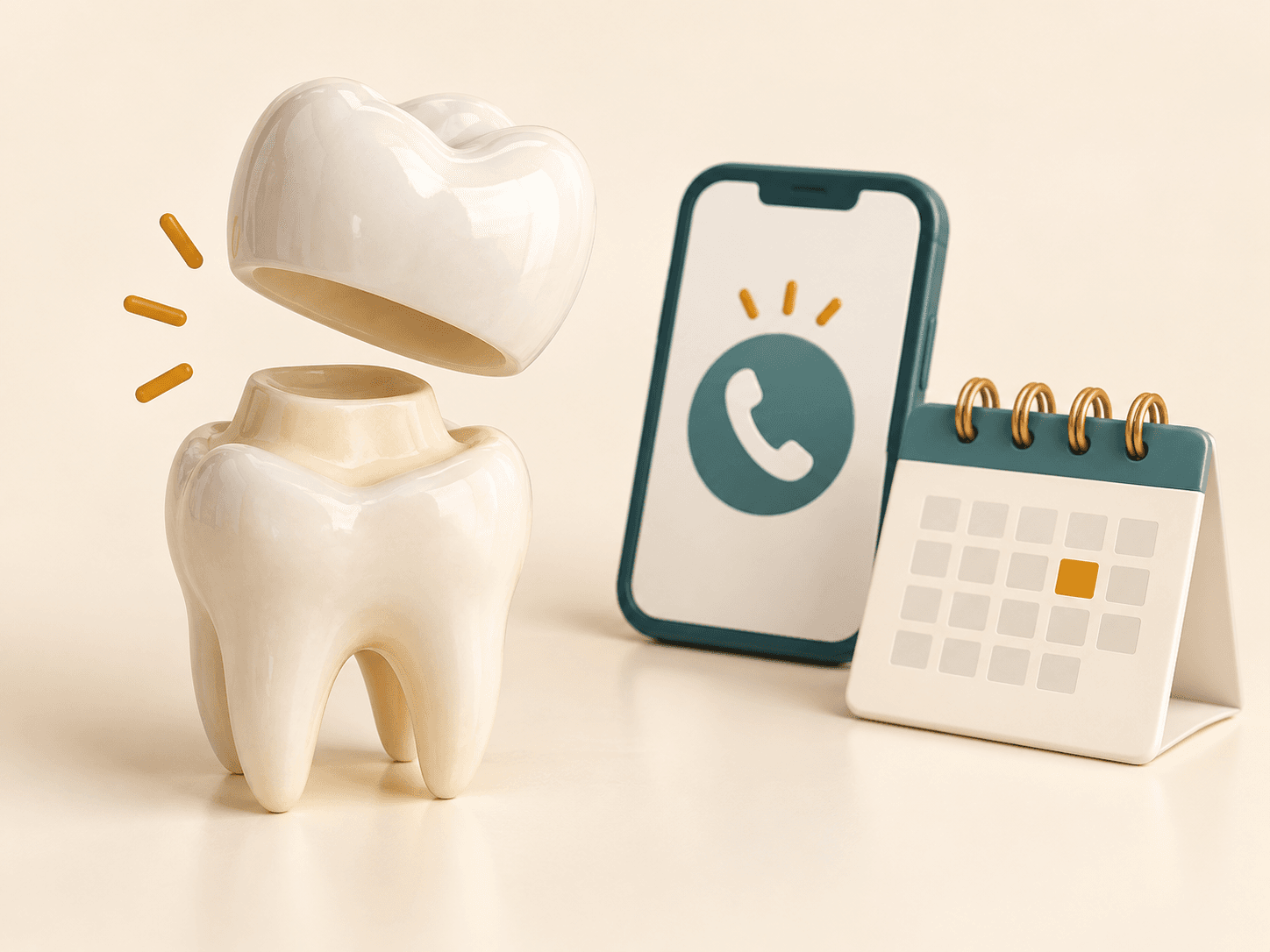
The Cleveland Clinic explains that with brushing, flossing, and regular check-ups, implants can often last a lifetime. The restorative part—the crown or bridge—may need replacement at some point: the same source indicates that most crowns and bridges last about 15 years and that most dentures last at least seven years, noting that this period varies. In other words, asking only "how long does the implant last" without distinguishing between a pin and a prosthesis generates confusing expectations.
Why Time Depends On Planning, Healing, And Maintenance
Before talking about longevity, the implant needs to integrate with the bone — a process called osseointegration. The Cleveland Clinic describes that this fusion can take from three to nine months, depending on the healing of each person; the Mayo Clinic also points out that a large part of the treatment schedule is bone healing time. Those who are still understanding this step can read https://drrodolfosegawa.com.br/blog/osseointegracao-do-implante-dentario-o-que-acontece-ate-a-coroa e Evaluation before dental implant. Once the implant comes into operation, continuity depends on daily care and revisions — the treatment does not "end" on the day the crown is installed.
Factors influencing longevity (no blame list)
The Mayo Clinic reinforces habits that help dental work last longer: keeping teeth, gums and the implant around clean (sometimes with proper interdental brushes), seeing the dentist regularly and avoiding habits that damage crowns or natural teeth — such as chewing ice or very hard candies — in addition to treating teeth grinding when indicated. The same institution notes that smoking can participate in failures and complications. The Cleveland Clinic also points to smoking or vape use as factors that can hinder healing, and lists conditions in which the implant may not be the best option until individual evaluation (for example, untreated active gum disease or very poor oral hygiene).
- Daily hygiene around the implant and prosthesis — see also https://drrodolfosegawa.com.br/blog/higiene-ao-redor-do-implante-dentario-cuidado-diario
- Professional consultations and cleanings at the pace indicated by the dentist
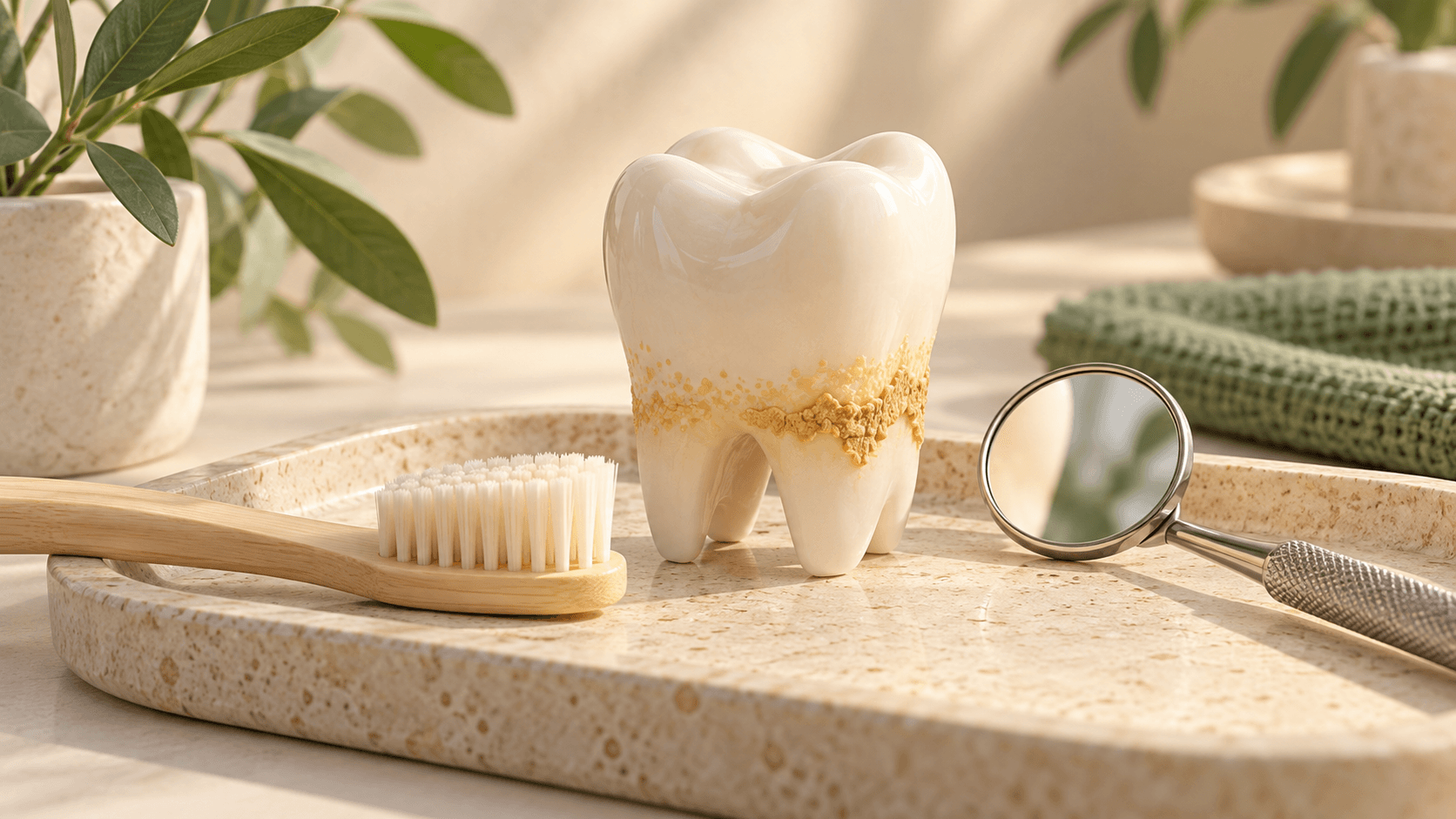
- Attention to signs of inflammation around the implant (mucositis and peri-implantitis) — overview in https://drrodolfosegawa.com.br/blog/mucosite-e-peri-implantite-o-que-muda-ao-redor-do-implante
- Load habits (very hard foods, bruxism) and lifestyle, including tobacco, discussed with the professional
Peri-implant diseases and long-term success
The Merck Manual (professional edition) places peri-implant diseases and conditions—including soft and hard tissue deficiencies—as factors that help predict long-term implant success. Peri-implant mucositis involves plaque-associated inflammation and can reverse with measures that eliminate biofilm; peri-implantitis is a plaque-associated pathological condition with inflammation and progressive loss of supporting bone. This doesn't mean that every implant "will fail": it means that early maintenance and evaluation matter as much as the initial surgery.
When to return for evaluation
In addition to the revisions agreed upon in the maintenance plan, the Cleveland Clinic advises seeing your dentist if you notice a loose or "wobbling" implant, bleeding gums, fever, pus (a sign of infection) around the implant, swollen gums, or swollen neck nodes along with any of these signs. Mayo Clinic recommends contact if swelling, pain, or another problem worsens in the days after surgical steps. New or persistent signs deserve evaluation — not an attempt to "wait it out" based on text from the internet.
Practical summary before deciding or following up
In summary: the implant pin, with care and follow-up, is described by sources such as the Cleveland Clinic as a solution that can often last a lifetime; the crown or prosthesis on the implant may need maintenance or replacement in varying timeframes. Longevity is not just "good stuff": it involves planning, healing, hygiene, habits, and inflammation control around the implant. For the overview of in-clinic treatment, see also dental implant treatment.
Frequently asked questions
Doubts that help prepare the conversation.
Does dental implant last forever?
The Cleveland Clinic says that with regular brushing, flossing, and check-ups, implants can often last a lifetime. This is a general care-based expectation—not a personal guarantee. The restoration (crown/bridge) may need to be replaced in varying timeframes.
Does the crown on the implant last the same time as the pin?
In general, they are not the same part. The Cleveland Clinic separates the implant from the restoration and indicates that most crowns and bridges last about 15 years (with variation). The pin and crown have different calendars and maintenance reasons.
What else helps the implant last?
Sources such as Mayo Clinic highlight hygiene around the implant, regular appointments, and avoiding habits that break crowns; they also mention smoking as a factor associated with failures. The Merck Manual links peri-implant disease management to long-term success. The concrete plan is individual.
Traceability
Sources
- Dental Implants — how long implants last; crowns/bridges ~15 years; when to call the dentistCleveland Clinic
- Dental implant surgery — hygiene, regular visits, habits that damage restorations; smoking and failureMayo Clinic
- Peri-Implant Diseases and Conditions — long-term success and mucositis vs peri-implantitis (Apr 2024)Merck Manual Professional Edition