Implants and rehabilitation
Plaque and tartar: what's the difference?
Plaque can be removed by daily hygiene, but hardened tartar needs professional cleaning. Understand the difference and what to clarify in the consultation.
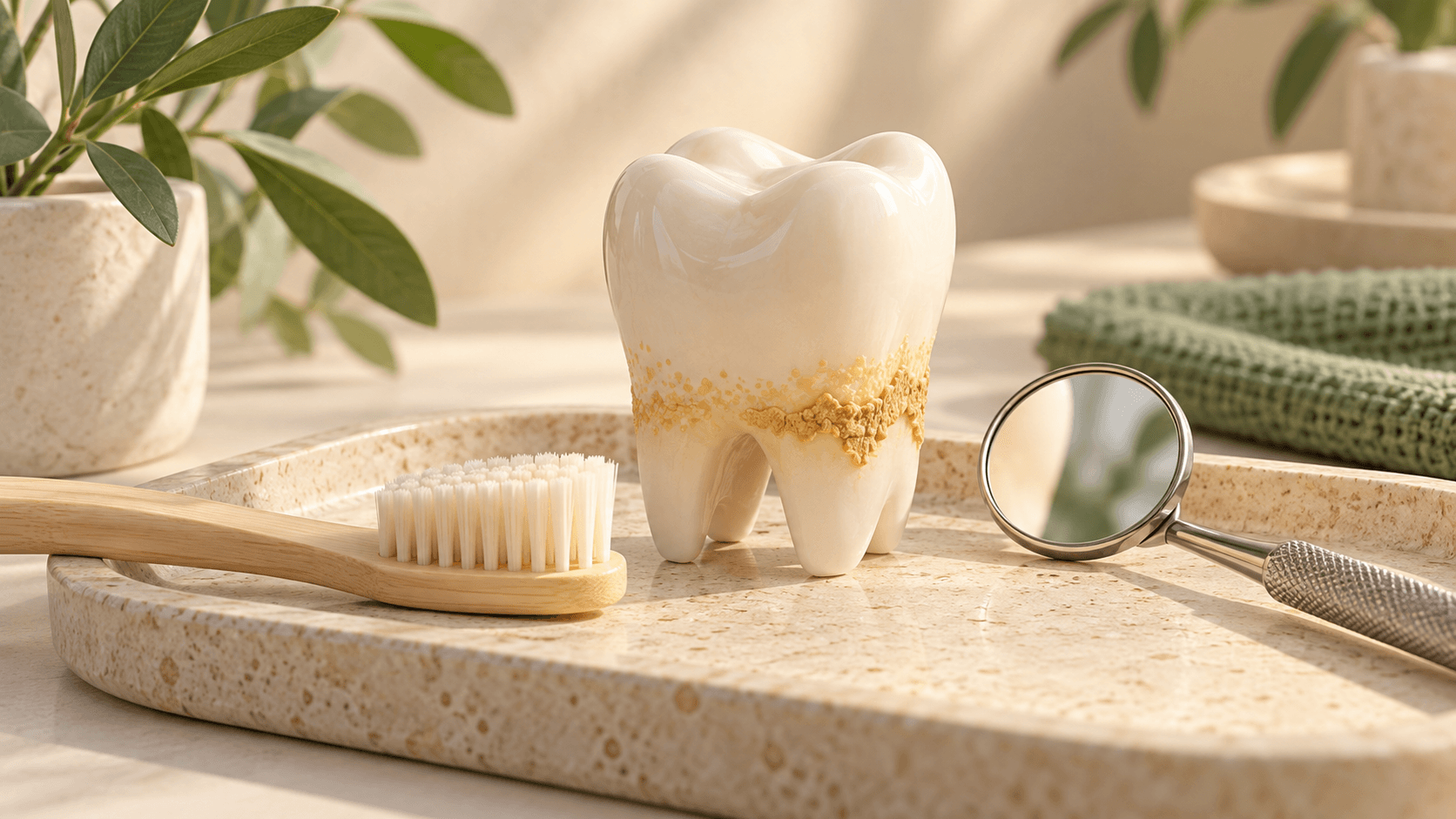
Plaque and tartar are not the same thing. Plaque is a film that adheres to bacteria; when it is not removed, it can harden and form tartar, also called dental calculus. According to the NIDCR, a dental research institute in the United States, tartar needs professional cleaning to be removed. Brushing harder does not replace this assessment.
What can daily cleaning control?
The American Dental Association (ADA) explains that plaque can contribute to tooth decay and gum disease. Daily hygiene seeks to remove this film before it accumulates and hardens. Guidance includes brushing with fluoride toothpaste, cleaning between teeth, and dental follow-up. After a professional cleaning, this care is still necessary.
Why does a hardened deposit merit evaluation?
The NIDCR reports that plaque and tartar contain bacteria capable of triggering inflammation in the tissues around the teeth. The examination may include observation of the gums, measurements of the spaces around the teeth, and analysis of the health history. The appearance of a deposit in the mirror does not allow you to determine the condition of the tissues that support the tooth.
Is professional cleaning always the same procedure?
No. The NIDCR points out that the type and amount of treatments depend on the extent of the gum disease, when it exists. Therefore, ask what was found and what care is indicated. A text about tartar does not define whether you need a routine cleaning or specific periodontal treatment.
What to clarify in the consultation
Use this roadmap to understand the assessment and organize care at home:
- Is what I'm seeing really tartar?
- Is there a change in the gums or other structures that needs to be evaluated?
- Which procedure is indicated and what is its objective?
- In which regions does my daily cleaning need to improve?
- How should I clean between my teeth and when will the return be?
The choice of brush does not eliminate the accompaniment
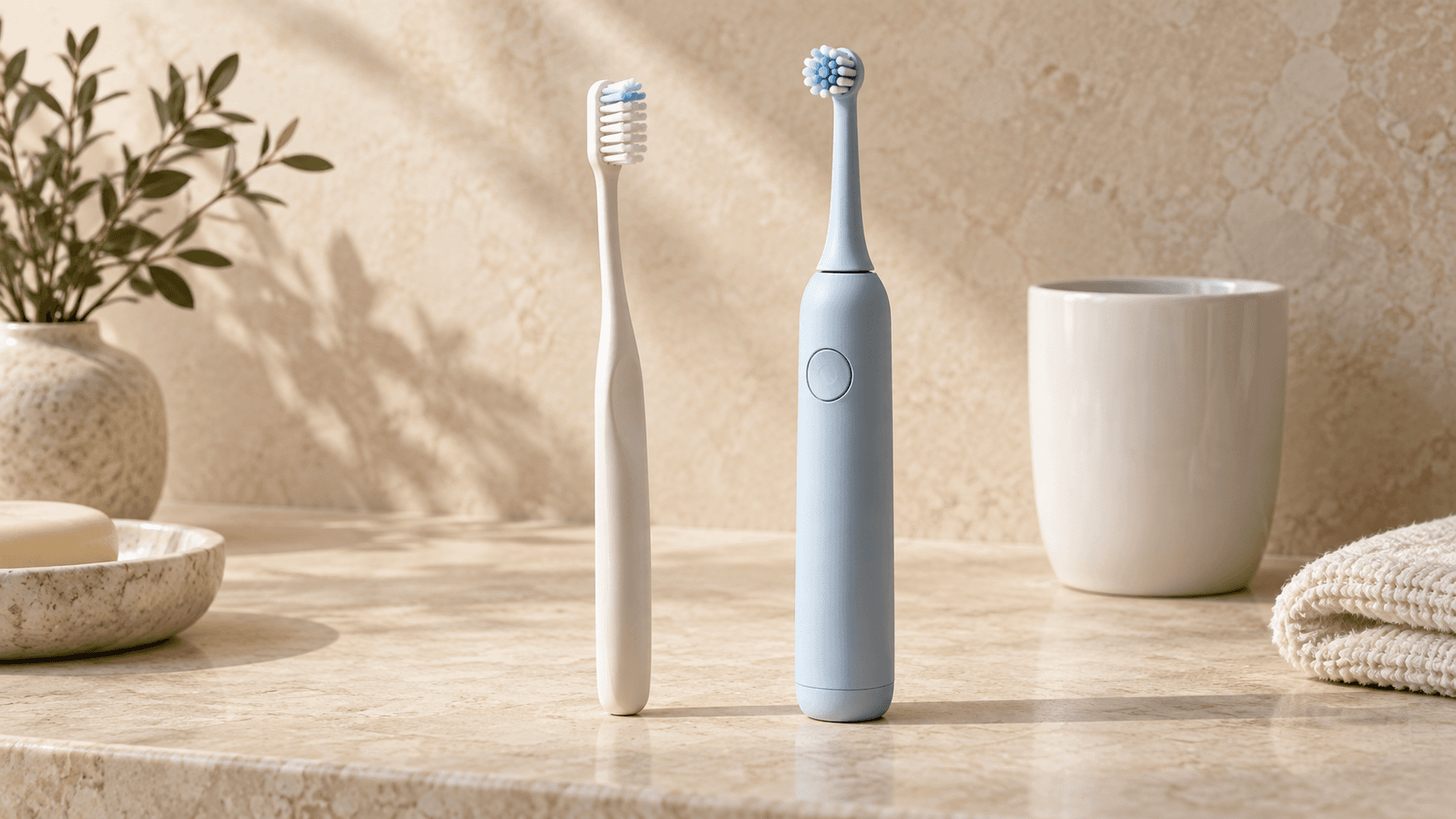
The ADA notes that tartar makes it more difficult to keep teeth clean. This helps to understand why buying another brush model does not, by itself, solve an already hardened deposit. The related article on electric or manual toothbrush addresses the choice of instrument; here, the distinction is between controlling plaque at home and removing tartar professionally.
If you notice bleeding or discomfort, report it to your dentist instead of trying to scrape the deposit yourself. This content is educational, produced with the assistance of AI and institutional sources; it does not allow you to diagnose gum disease or choose an individual procedure.
Frequently asked questions
Doubts that help prepare the conversation.
Does stronger brushing remove tartar?
It is not a substitute for professional cleaning. The NIDCR advises that hardened tartar needs to be removed by an oral health professional. Ask for guidance on hygiene and the evaluation of the deposit.
Traceability
Sources
- Periodontal (Gum) Disease — plaque, tartar, and evaluation; reviewed August 2026National Institute of Dental and Craniofacial Research — NIH
- Plaque — Plaque Formation and ControlAmerican Dental Association — MouthHealthy
- Further reading: electric or manual brushBlog Dr. Rodolfo Segawa