Implants and rehabilitation
Mucositis and peri-implantitis: what changes around the implant
Understand the difference between peri-implant mucositis and peri-implantitis, which signs call for evaluation, and how prevention connects to dental implant hygiene and maintenance.
Once the dental implant comes into operation, the question is no longer just "when does the crown come out" and starts to include another: how do you know if the gums and the surrounding bone are healthy? In clinical language, two conditions enter this conversation — peri-implant mucositis and peri-implantitis. Both involve inflammation around the implant, but they are not the same thing: the main difference is whether or not there is progressive loss of the supporting bone.
Peri-implant mucositis: inflammation without progressive bone loss
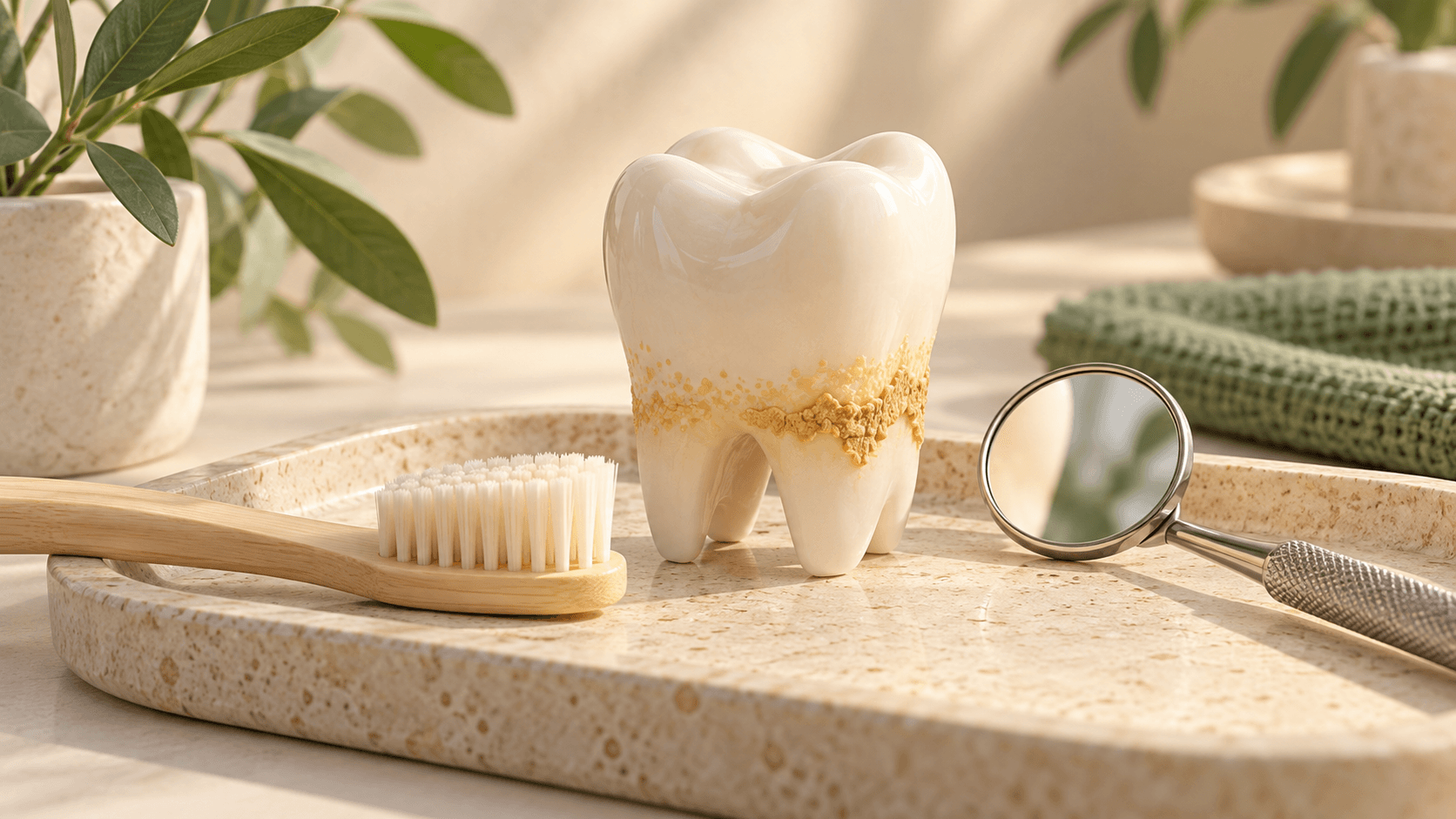
According to the Merck Manual (2024 revision), peri-implant mucositis manifests itself with signs such as bleeding on probing, swelling, and inflammation associated with biofilm (plaque). In general, the condition can reverse when the plaque is controlled — that is, the problem is still concentrated in the soft tissues around the implant, without the progressive bone loss that defines peri-implantitis.
Peri-implantitis: inflammation with supportive bone loss
Peri-implantitis, in the same reference, is described as a pathological condition associated with plaque, with inflammation and progressive loss of the bone that supports the implant. The text associates the condition with unsatisfactory hygiene and a history of severe periodontitis. This does not mean that all bleeding around the implant is peri-implantitis: the diagnosis requires clinical evaluation and, when indicated, comparison with previous radiographs and records — something that only the oral health team can do.
Signs that deserve evaluation — no alarmism
Educational sources from large centers list situations in which it is worth seeking a dentist. The Cleveland Clinic, on the page on dental implants, advises contact if there is a loose or "wobbling" implant, bleeding gums, fever, pus (infection) around the implant, swollen gums, or swollen lymph nodes in the neck along with one or more of these signs. The Merck Manual summarizes clinical abnormalities of peri-implant diseases such as redness, bleeding on probing, swelling, and purulent discharge.
- Persistent bleeding when brushing or flossing/interdental brush around the implant
- Red, swollen or tender gums in the implant region
- Pus, localized bad taste, or "bubble" sensation draining
- Sensation that the crown or prosthesis "moves"
- New or worsening pain days after a procedure — Mayo Clinic also recommends letting your surgeon know if swelling, pain, or another problem worsens postoperatively
No item on the list replaces examination. Many moles are nonspecific and may have other causes. The useful point for the reader is: persistent changes around the implant should not be "expected to pass" without professional guidance.
What usually goes into prevention on a daily basis
The preventive logic is the same that underpins the implant's long-term success: controlling biofilm at home and maintaining maintenance returns. The Cleveland Clinic points out that, with proper hygiene and regular appointments, the implant can last for many years — and that poor oral hygiene and untreated gum disease are among the factors that can make treatment less appropriate. On the blog, the daily care around the implant has already been detailed in its own text; here the focus is to recognize the difference between inflammation only in the mucosa and bone loss.
- Daily cleaning adapted to the shape of the crown, abutment or prosthesis (brush, interdental, specific floss when indicated)
- Maintenance returns at the agreed interval with the team — not just "when it hurts"
- Control of factors discussed in consultation (e.g., hygiene, history of periodontitis, smoking)
- Do not interrupt the follow-up alone because "the implant is already in the bone"
How this connects to the rest of the treatment
Peri-implantitis is not the same phenomenon as osseointegration (the initial union of bone to the implant). Osseointegration describes the healing that stabilizes the implant; peri-implant diseases describe inflammation that can appear later, with the implant already functioning. Therefore, maintenance and hygiene accompany the patient beyond the surgical phase. If you are comparing prosthetic pathways or planning steps, the contents of [dental implants](/treatments/dental implants), [hygiene around the implant](/blog/hygiene-around-the-dental-implant-daily-care) and [osseointegration](/blog/osseointegration-of-the-dental-implant-what-happens-to-the-crown) help you see the complete map without mixing intentions.
Frequently asked questions
Below, short answers at the limit of what educational sources allow us to affirm — always subject to individual examination.
Frequently asked questions
Doubts that help prepare the conversation.
Are peri-implant mucositis and peri-implantitis the same thing?
No. In the classification cited by the Merck Manual, mucositis involves soft tissue inflammation associated with plaque and can reverse with biofilm control; peri-implantitis includes inflammation with progressive loss of the supporting bone. Only clinical (and, when necessary, radiographic) evaluation differentiates the conditions.
Bleeding when brushing near the implant is always peri-implantitis?
No. Bleeding can occur due to inflammation that is still limited to the mucosa or for other reasons. The Cleveland Clinic lists bleeding and pus among the signs to see a dentist — not as a self-diagnosis of peri-implantitis.
Can you prevent it only with a brush at home?
Daily hygiene is a central part, but educational sources also emphasize regular consultations and professional evaluation. The shape of the prosthesis and the history of each person influence the maintenance plan.
Traceability
Sources
- Peri-Implant Diseases and Conditions — mucositis vs peri-implantitis definitions (Apr 2024)Merck Manual Professional Edition
- Dental Implants — when to call your dentist (bleeding, pus, loose implant, swelling)Cleveland Clinic
- Dental implant surgery — risks including infection and when swelling or pain worsensMayo Clinic