Implants and rehabilitation
Persistent bad breath: why mouthwash may not solve
Mouthwash can bring freshness without solving the source of bad breath. Understand what to look for in hygiene, gums and dentures and when to seek evaluation.
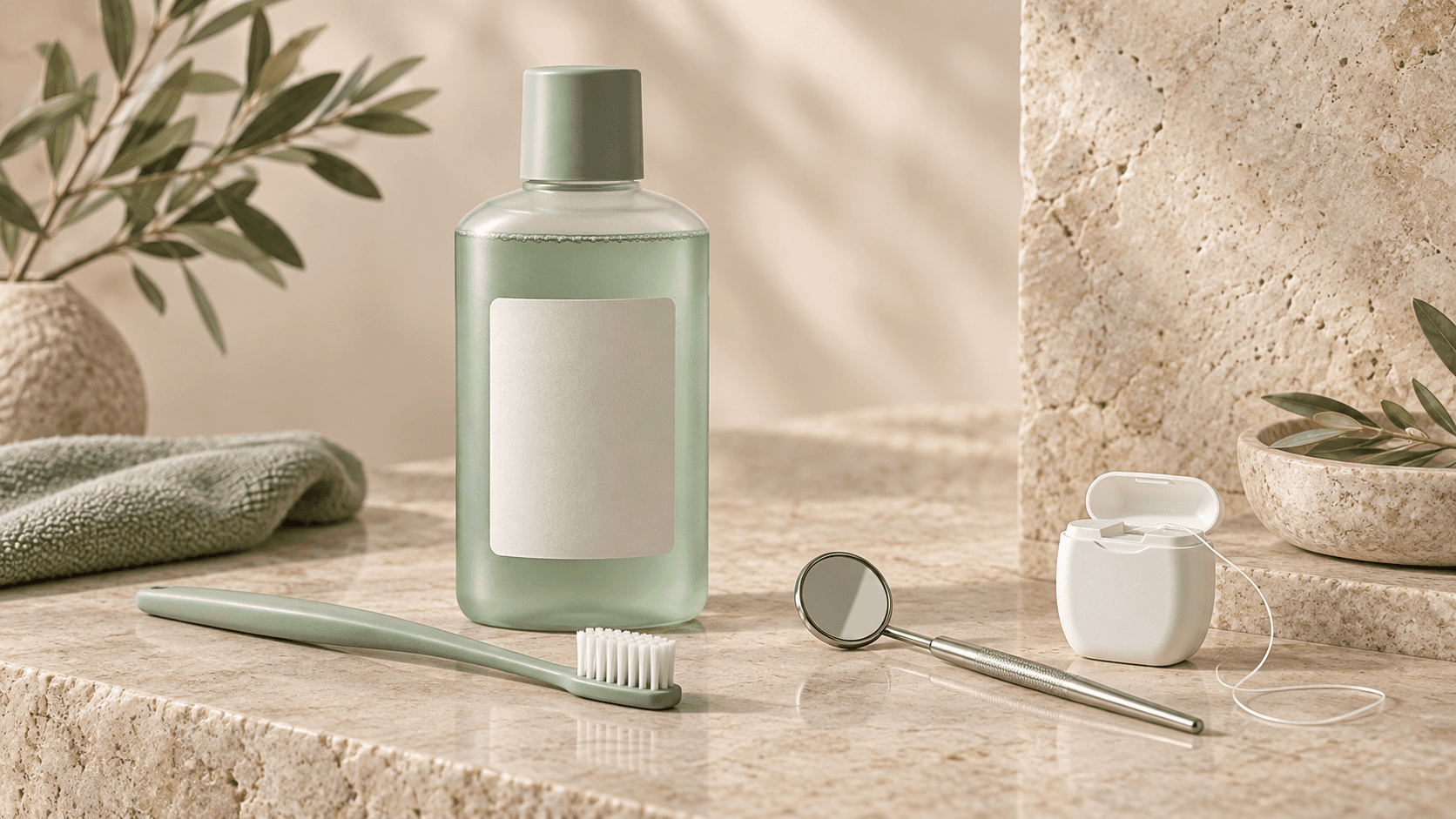
If bad breath comes back even after rinsing, it's worth investigating the cause with your dentist. The American Dental Association (ADA) explains that these products can reduce bacteria or temporarily disguise the odor. Feeling fresh does not confirm that the problem has been solved. Halitosis is the name used for bad breath; the symptom, alone, does not reveal its origin.
What could be behind the odor?
According to the ADA, food residues used by bacteria in the mouth, dry mouth, gum changes, food, and smoking can participate in bad breath. Dental evaluation helps identify local problems. When necessary, the dentist can guide medical investigation. It is not possible to conclude just by the smell that the origin is in the stomach, nor to choose a treatment without clarifying the cause.
Hygiene involves more than teeth
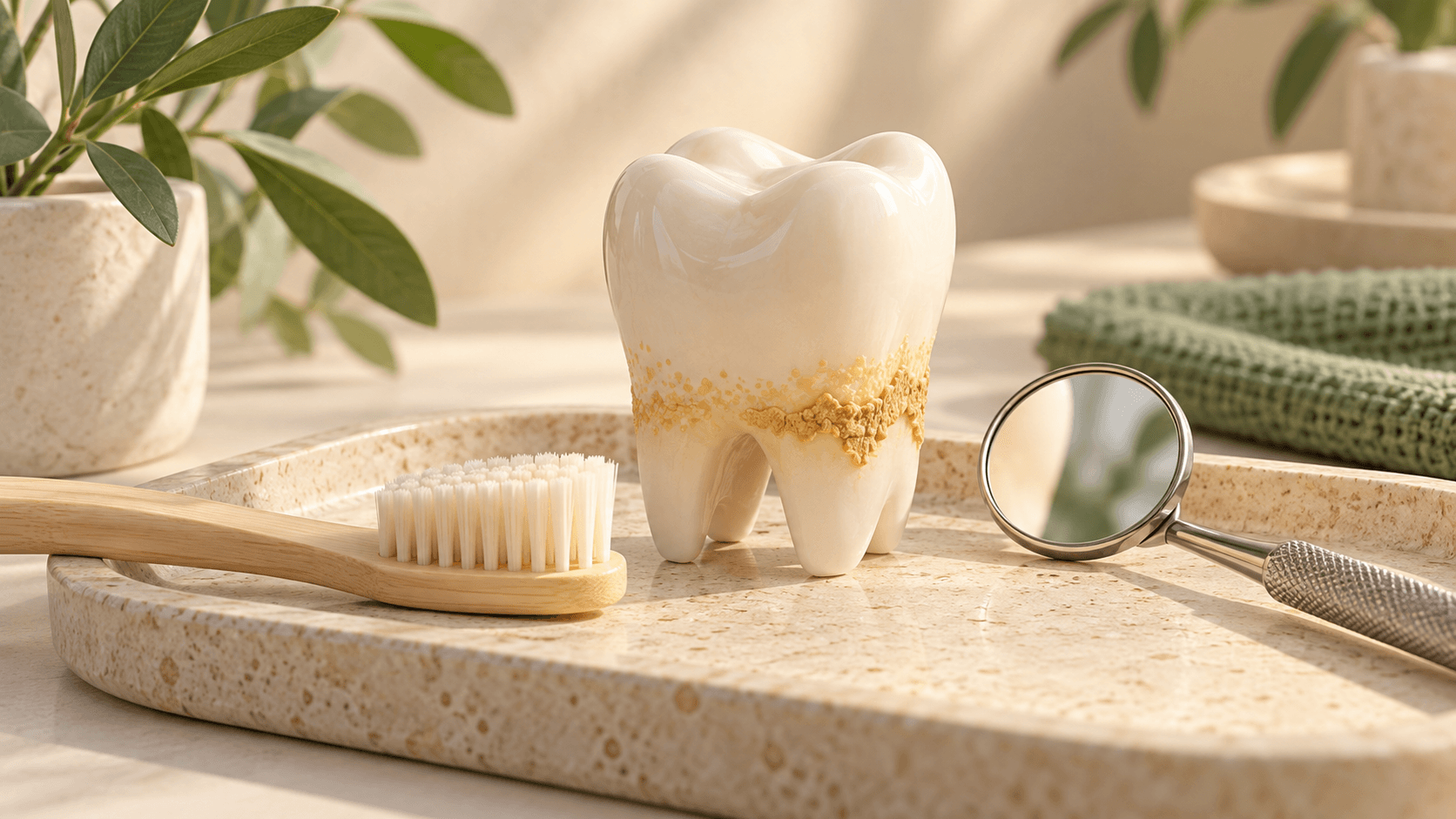
The Ministry of Health advises a soft-bristled brush, fluoride toothpaste and cleaning between teeth with dental floss. The tongue also accumulates residues and bacteria associated with bad breath and should be cleaned carefully. The goal is a complete and delicate routine, without trying to compensate for the discomfort with excessive force.
What do those who wear prostheses need to observe?
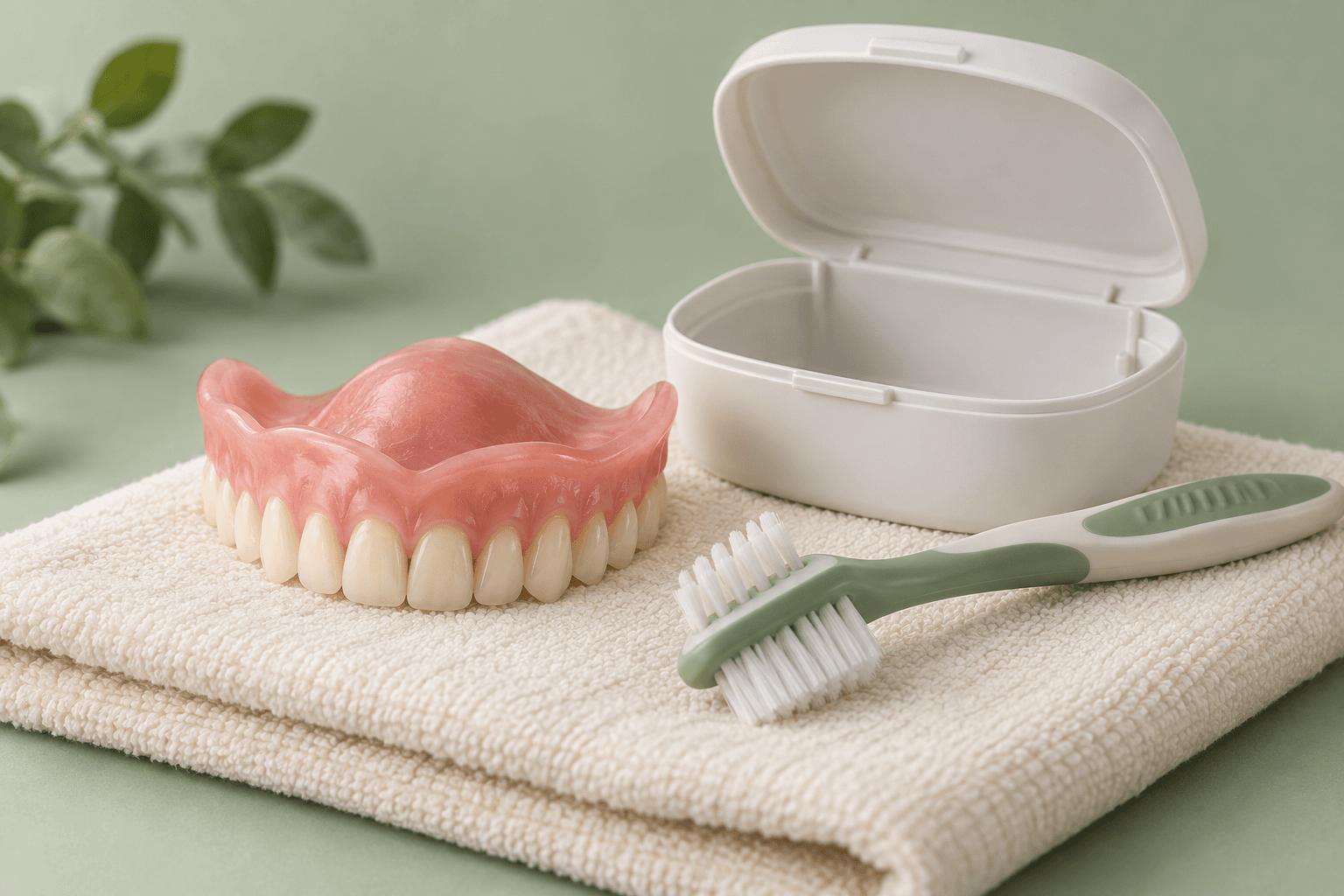
The Ministry of Health's guidance includes specific cleaning for removable prostheses and periodic evaluation of the fit. If the piece has started to become loose, hurt or make chewing difficult, take the complaint to the dentist. Do not use the instruction to remove a removable prosthesis for a fixed prosthesis. Ask for a demonstration of cleaning appropriate to your type of rehabilitation.
When to look for evaluation?
The NHS, the British public health service, recommends going to the dentist when bad breath continues despite care for a few weeks. Sore, swollen or bleeding gums, toothache, mobility of permanent teeth and problems with dentures also warrant consultation. If any of these signs already exist, it is not necessary to wait weeks trying other products.
How to make the conversation in the query more useful
Organize a simple report. These questions help describe the problem, but they don't work as a diagnostic test:
- When did the odor start and at what times is it usually noticed?
- What do I do to clean teeth, spaces between them, tongue and dentures, if any?
- Is there bleeding, pain, dry mouth or difficulty in cleaning any area?
- What mouthwashes, medications, and other products do I use, and what has changed recently?
- What needs to be evaluated and what will be the next step if the discomfort continues?
In the further reading below, the articles on dry mouth and bleeding gums detail these complaints. Here, the focus is on organizing the investigation of persistent bad breath and recognizing the limit of only masking odor. This content is educational, produced with the assistance of AI and institutional sources; it is not a substitute for individual assessment.
Frequently asked questions
Doubts that help prepare the conversation.
Does freshness after rinsing mean that the cause has been treated?
Not necessarily. The ADA describes that the mouthwash can temporarily mask the odor. If the discomfort returns, it is important to investigate the cause.
Do I have to wait weeks if I also have pain or bleeding?
No. The NHS includes toothache, sore or bleeding gums, and denture problems among the reasons to seek dental evaluation.
Traceability
Sources
- Bad Breath — causes and limits of mouthwashAmerican Dental Association — MouthHealthy
- Bad breath — care and indication of consultation; reviewed on 05/06/2025NHS
- Oral Health — Tongue Hygiene and Denture CareMinistry of Health
- Further reading: persistent dry mouthBlog Dr. Rodolfo Segawa
- Further reading: bleeding gums when brushingBlog Dr. Rodolfo Segawa