Implants and rehabilitation
Bleeding gums when brushing: why seek evaluation?
Bleeding when brushing or flossing deserves attention, even without pain. Understand the relationship with the gums, hygiene care and when to seek care.
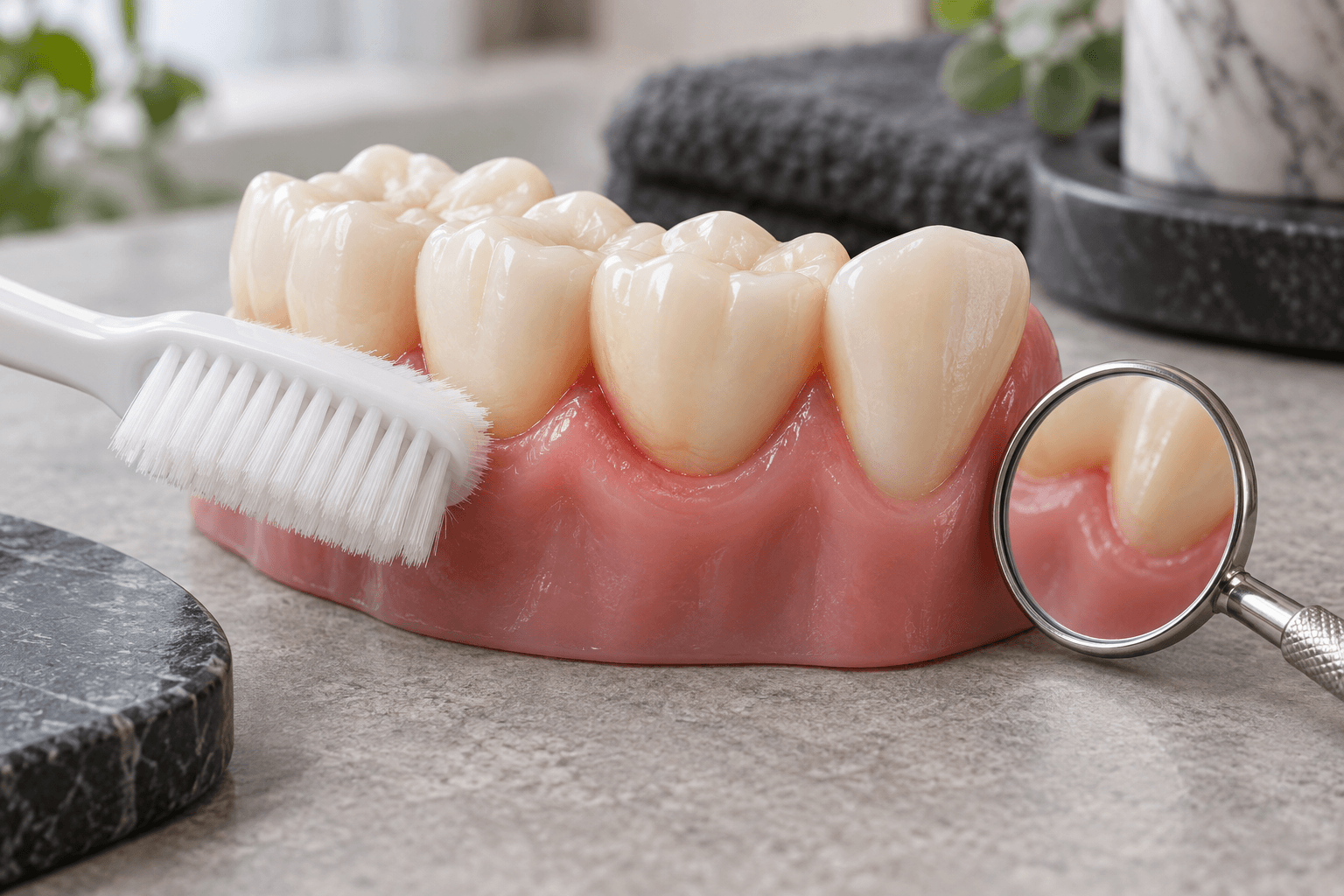
Seeing blood while brushing or flossing is a reason to evaluate gum health. This may be associated with gum inflammation, but the sign alone does not identify the cause or severity of the problem. Even when there is no pain, it is worth seeking dental advice.
What is the relationship between plaque and gum?
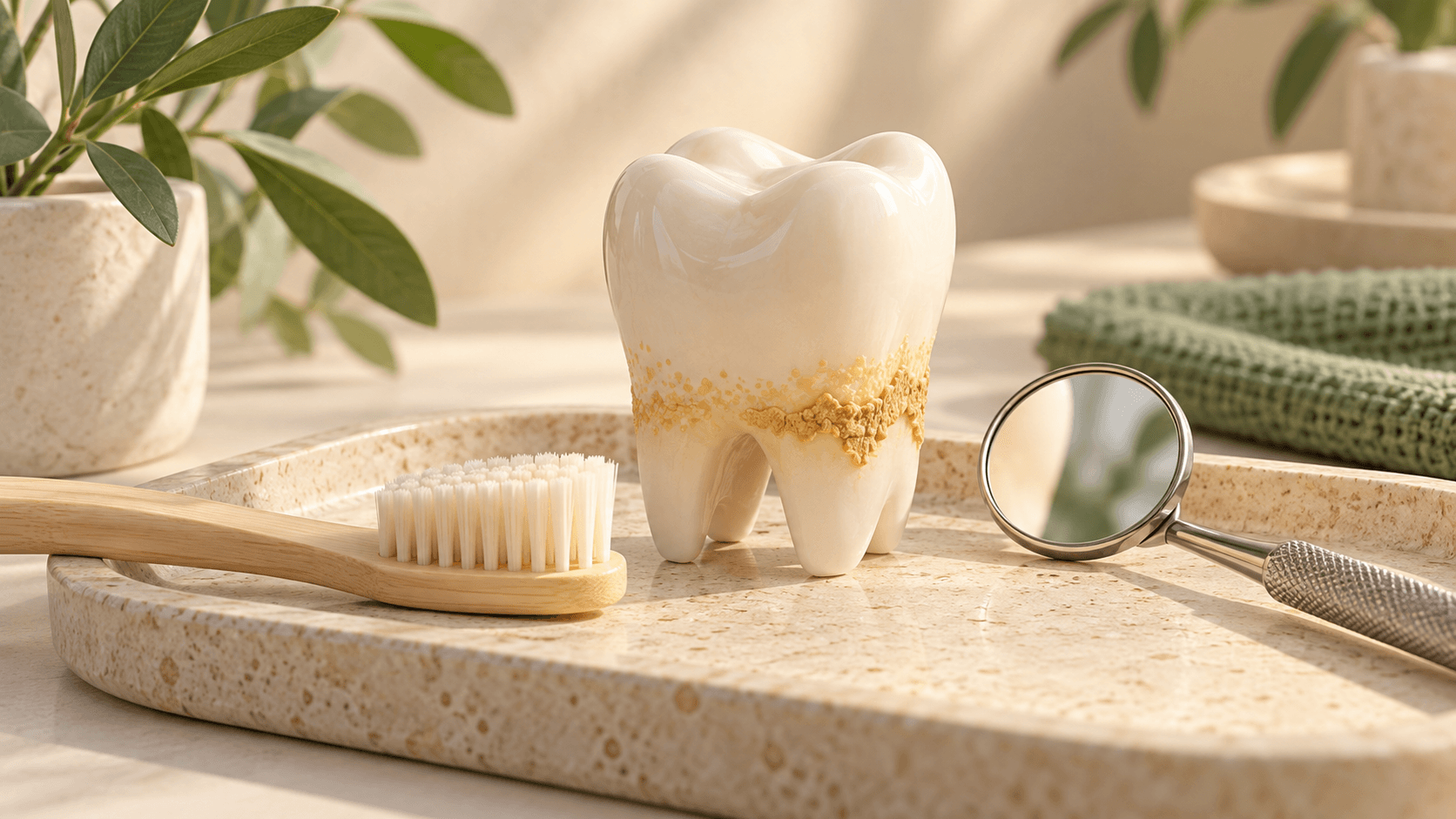
The NIDCR explains that plaque buildup can cause inflammation in the gum tissues. When plaque hardens and forms tartar, its removal requires professional cleaning. Reddened, swollen, or bleeding gums may indicate the need for evaluation. The exam helps differentiate changes restricted to the gums from problems involving the supporting tissues of the teeth.
Does absence of pain mean that everything is fine?
Not necessarily. The educational material at King's College Hospital highlights that gum disease can be painless. Persistent bad breath, receding gums, and tooth mobility also deserve to be reported. Observing these signs helps explain the problem to the dentist, but it does not replace the exam or allow you to conclude, at home, what treatment will be necessary.
How is the evaluation usually done?
In addition to listening to your complaints and knowing your health history, your dentist examines your gums and can measure the spaces around your teeth with a probe. X-rays may be indicated as needed. According to the NIDCR, treatment varies with the extent of the problem. Report known diseases, habits, and medications in use; do not suspend medications on your own.
What to observe in daily hygiene?
Brushing with fluoride toothpaste and cleaning between your teeth are part of daily care. King's College Hospital recommends asking staff for a demonstration of the use of floss or interdental brushes. If bleeding occurs, talk about the appropriate technique and instrument for your case. The choice of products should follow this guidance; mouthwashes are not a substitute for evaluating the cause.
When to seek care faster?
The NHS advises to see a dentist when the gums bleed and to seek urgent evaluation in the face of very painful or swollen gums and teeth becoming loose. When marking, describe these signs so that the team can assess the priority. Write down how long ago the bleeding started and in which situations it occurs. This article is educational; a consultation is necessary to identify the cause and guide individual care.
Frequently asked questions
Doubts that help prepare the conversation.
Does bleeding gums always mean periodontitis?
No. This sign does not determine the diagnosis or extent of the problem. Dental evaluation is necessary.
Do I need to go to the dentist even without pain?
Yes. Gingival changes can occur without pain, and bleeding deserves to be investigated.
Does brushing remove tartar that has already formed?
No. Tartar needs professional removal. Daily hygiene helps control plaque buildup.
Traceability
Sources
- Periodontal (Gum) DiseaseNational Institute of Dental and Craniofacial Research — NIDCR
- Gum diseaseNHS
- Looking after my gumsKing's College Hospital — NHS