Implants and rehabilitation
Immediate or conventional loading on the dental implant: what changes in the calendar
Immediate loading and conventional loading describe different timetables after implantation: early provisional versus waiting for osseointegration before permanent crown. See what educational sources explain — and why the choice is clinical.

Once the dental implant is installed in the bone, a common question arises: Does the crown (or prosthesis) go on the same day, or only after months? In plain language, this is often described as immediate loading (early interim restoration) versus conventional loading (waiting for the bone to join the implant before permanent restoration). The two pathways exist in clinical practice, but they are not interchangeable for everyone—and "same-day tooth" does not mean that bone healing is over.
What conventional cargo describes
In the conventional pathway, the implant is placed and the bone must join the surface of the implant — a process called osseointegration — before the definitive restoration under chewing can be trusted. Educational sources from large centers describe this fusion in ranges of months: the Cleveland Clinic places osseointegration in about three to nine months, depending on individual healing; the Mayo Clinic emphasizes that the process can take several months because the bone needs to heal firmly around the implant. Only after this phase does the team usually move on to the abutment and crown, bridge or permanent prosthesis.
This does not prevent, in many cases, the use of a temporary for aesthetics or speech while waiting — especially in more visible areas. The point is that the calendar of definitive restoration and load release follows clinical evaluation, not a marketing date. For the detail of the bone-implant union, there is specific content in Osseointegration of dental implant.
What "immediate loading" usually means
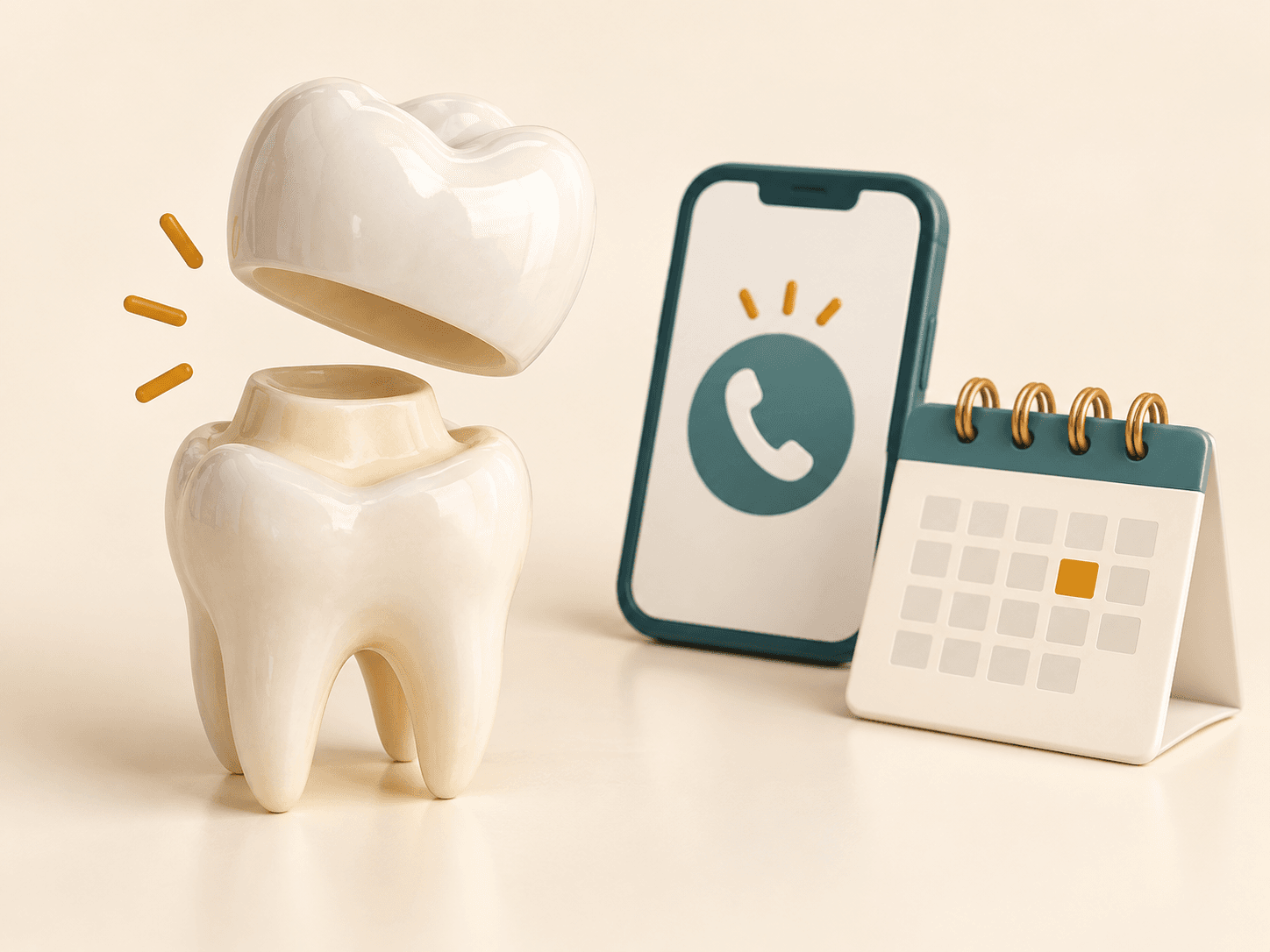
Immediate loading, in educational discourse, usually refers to connecting a temporary restoration soon after implant installation (on the same day or in a few days), in selected patients and sites. The Cleveland Clinic explains, for example, that in previous regions the dentist can make a temporary tooth so as not to leave an apparent gap during recovery — which is different from declaring the treatment completed that day. The Mayo Clinic also reminds that steps can sometimes be combined according to the bone and the plane, but the central benefit of the implant (solid support for the new tooth) still depends on the time of bone healing.
What usually goes into the choice of protocol
In general terms, the choice between waiting for osseointegration before definitive restoration or using an early provisional involves factors that only face-to-face assessment clarifies. Educational sources highlight, among other points:
- Quantity and quality of bone at the site (and whether there is a need for grafting before or along).
- Initial implant stability after installation — clinical criterion, not something the patient "feels" over the internet.
- Position of the tooth (anterior esthetics versus areas of greater masticatory load).
- Health conditions, habits (e.g. smoking) and control of active infection in the mouth.
- Type of prosthesis planned: single crown, bridge or wider rehabilitation, such as the one discussed in fixed prosthesis on implants.
When the site or health are not favorable, protocols with longer healing time without definitive loading tend to be preferred in the general guidelines — precisely to protect the phase in which the bone is still joining the implant. The Pre-implant assessment describes what is usually analyzed before any calendar.
Early provisional does not end healing
A frequent mistake is to mix "tooth on the same day" with "finished treatment". Even when there is a provisional right after surgery, the union of the bone to the implant continues over months, in the ranges described by the sources above. The provisional can help with aesthetics and speech; the release to chew hard, the occlusal adjustment and the change to the definitive piece follow the protocol of the case. Therefore, comparing "implant in one day" ads with the plan that the dentist presented at the consultation usually generates unrealistic expectations.
Care that usually applies in both ways
Regardless of the loading schedule, careful hygiene around the operated area and respect for diet and chewing side guidelines are usually central in the first few weeks. After the prosthesis is installed, daily cleaning around the implant remains relevant — a topic of hygiene around the implant. Signs such as progressive pain, mobility, swelling or discharge require professional feedback, not self-diagnosis.
If you're comparing tooth replacement options (implant versus bridge, for example), the article dental implant or bridge and the dental implants They help organize the conversation with the team—without replacing the exam.
Practical summary
- Conventional loading: waits for osseointegration (ranges of months in educational sources) before definitive restoration under function.
- Immediate/interim loading early: may be considered in selected cases; does not erase the need for bone healing.
- The individual calendar comes out of clinical evaluation — not general content on the internet.
Frequently asked questions
Doubts that help prepare the conversation.
Does immediate loading mean that the implant is already osseointegrated on the same day?
No. Even with early provisional, the union of the bone to the implant continues over months, in the ranges described in educational sources. The provisional does not end this biological phase.
Can everyone put a tooth on the same day of the implant?
No. The indication depends on clinical evaluation (bone, stability, occlusion, health and type of prosthesis). General content does not define whether your case is a candidate.
How long does bone healing take in the conventional way?
Educational sources cite broad ranges: the Cleveland Clinic mentions about three to nine months for osseointegration; the Mayo Clinic speaks of several months. The individual deadline only comes out of clinical follow-up.
Traceability