Smile aesthetics
Do porcelain veneers solve jaw pain?
Understand why the proposal for porcelain veneers needs to distinguish aesthetic change from jaw pain assessment and what questions to bring to the consultation.
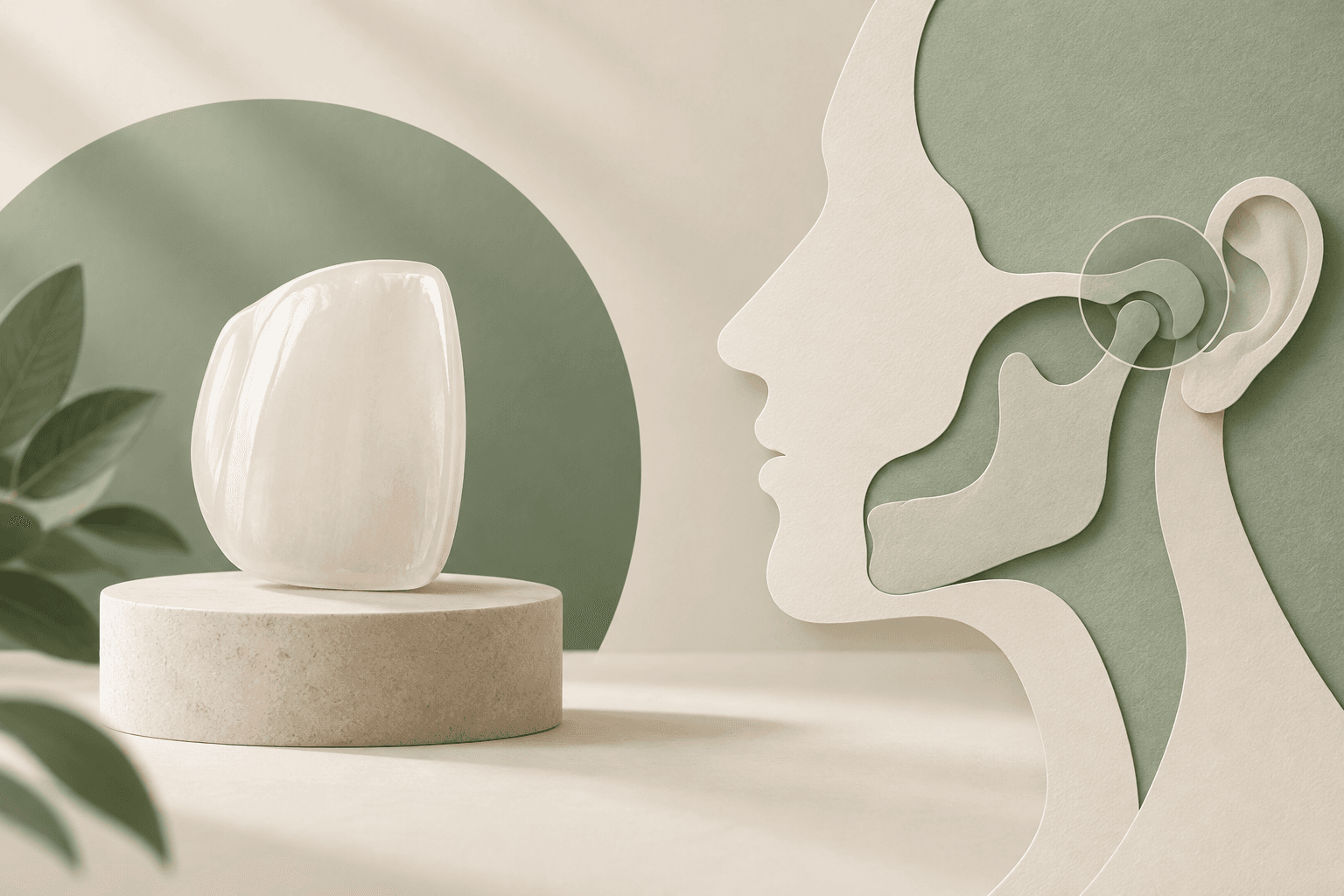
Porcelain veneers should not be promised as a solution to jaw pain. If you are looking for veneers and also feel pain, ask for a specific evaluation before deciding on tooth changes. The guidance of the NIDCR, an institute of the NIH in the United States, is to prioritize conservative care for temporomandibular disorders and avoid interventions that permanently alter teeth or bite for this purpose.
The purpose of veneers needs to be clear
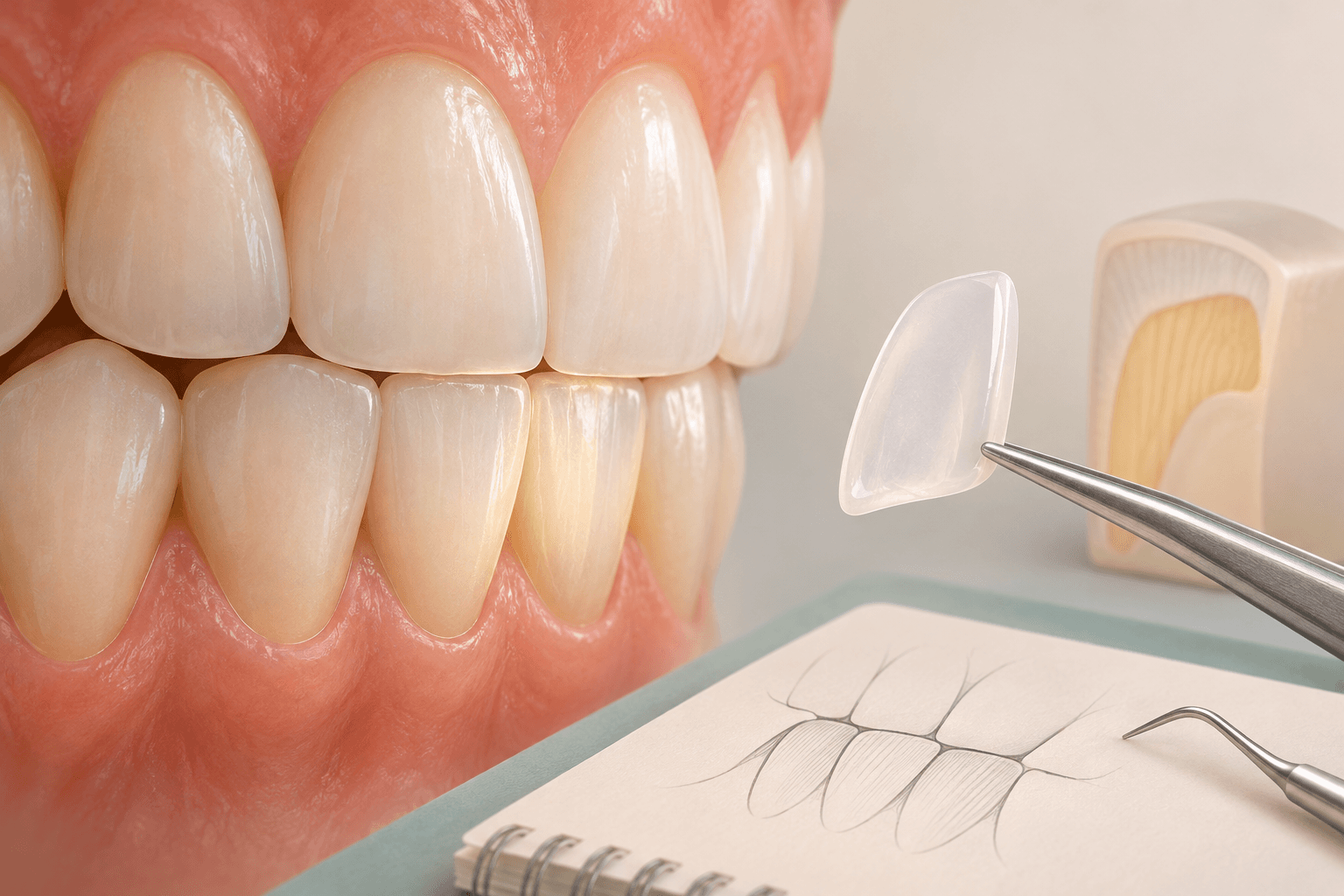
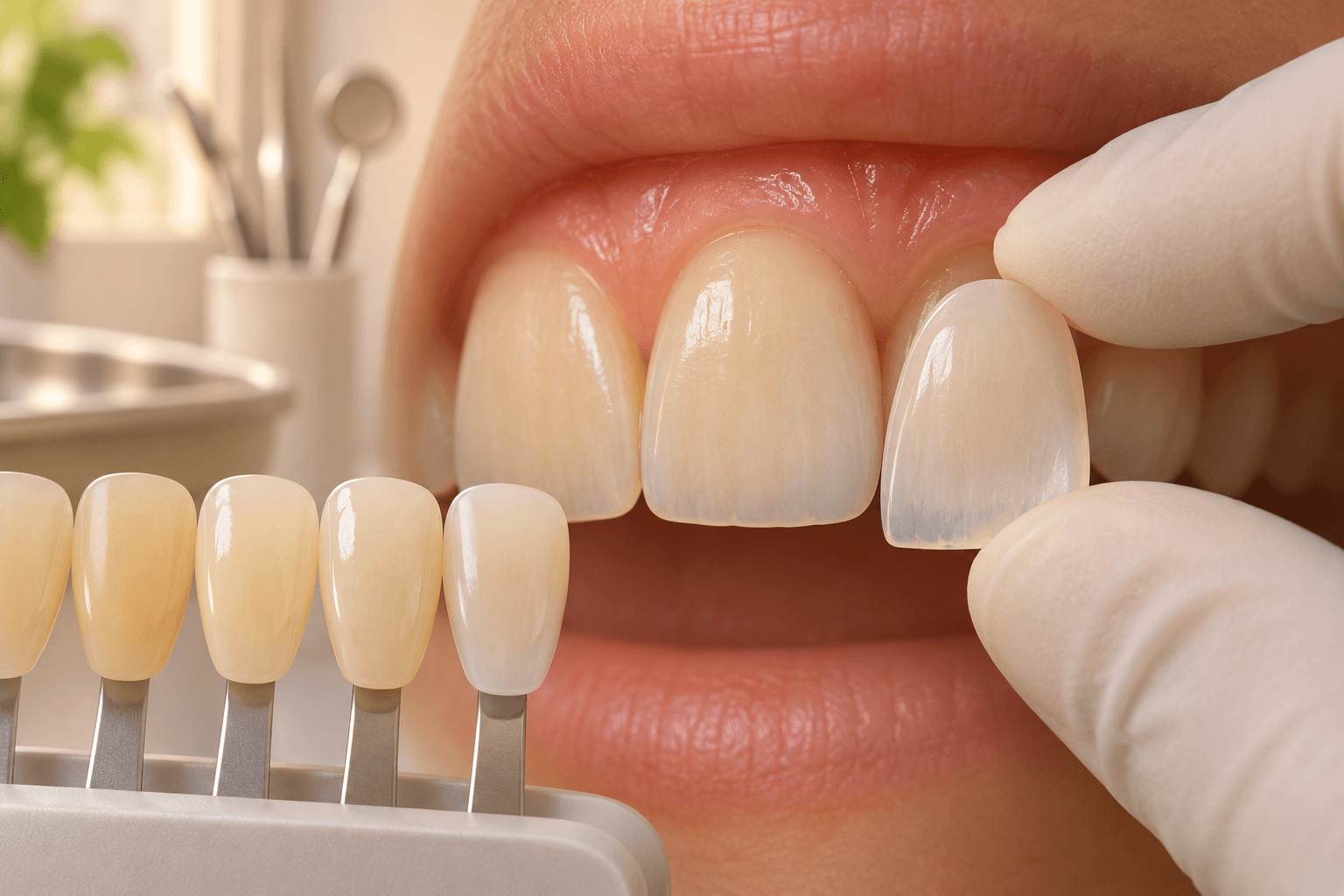
The American Dental Association (ADA) describes veneers as personalized coverings of the front of the teeth to improve appearance. They can modify aspects of stained, irregularly shaped teeth or small fractures. The entity also points out that treatment with enamel removal is not reversible. Thus, a conversation about changing the smile needs to clarify the intended aesthetic benefit and the limits of the procedure.
Jaw pain does not confirm a diagnosis
TMD is the name of a group of conditions that involve jaw joints and muscles. According to the NIDCR, pain in this region may have other causes, which need to be considered in the evaluation. Therefore, it is not possible to conclude from the appearance of the teeth that placing veneers will solve the discomfort.
Why beware of the promise to correct the bite to cure the pain?
The NIDCR reports that there is insufficient evidence of benefit from treatments that modify teeth and bites to treat TMD, citing crowns, tooth wear and orthodontics. In some cases, they can worsen the problem. The source does not present a specific essay on veneers: the practical conclusion here is not to transform an aesthetic proposal into a promise of pain treatment.
Questions to Lead to Veneer Planning
- What aesthetic change are we planning with veneers?
- Has my pain been assessed and has a definite diagnosis?
- Which part of the plan is intended to take care of the pain and which is intended to change the smile?
- What benefit is expected from each procedure and what are its limits?
Ask for these answers to be explained before approving the plan. Write down your doubts and take the records of previous consultations. Further reading on second opinion can help organize a new conversation when the justification for the treatment is not yet clear.
Tooth health remains part of the decision
The ADA advises treating caries and gum disease before veneers. It also reminds that they can chip, crack or come loose, requiring repair or replacement. Pain assessment does not eliminate these precautions, and improving appearance does not guarantee improvement in symptoms. This content does not diagnose TMD or define the individual indication of veneers.
Frequently asked questions
Doubts that help prepare the conversation.
How to explain my two expectations in the consultation?
Say what you want to change about the appearance of the smile and report the discomfort separately. Ask the plan to clarify which assessment and which objective correspond to each complaint.
Traceability
Sources
- TMD — limits of treatments that alter teeth and bite; Review September 2026National Institute of Dental and Craniofacial Research (NIDCR/NIH)
- Veneers — Goals and Boundaries of VeneersAmerican Dental Association (ADA)
- Further reading: second opinion on veneersBlog Dr. Rodolfo Segawa