Smile aesthetics
Porcelain veneers: can I bite nails or bite pens?
Biting nails, biting pens and opening packages with teeth deserve attention in those who use porcelain veneers. See what to talk about with the dentist.
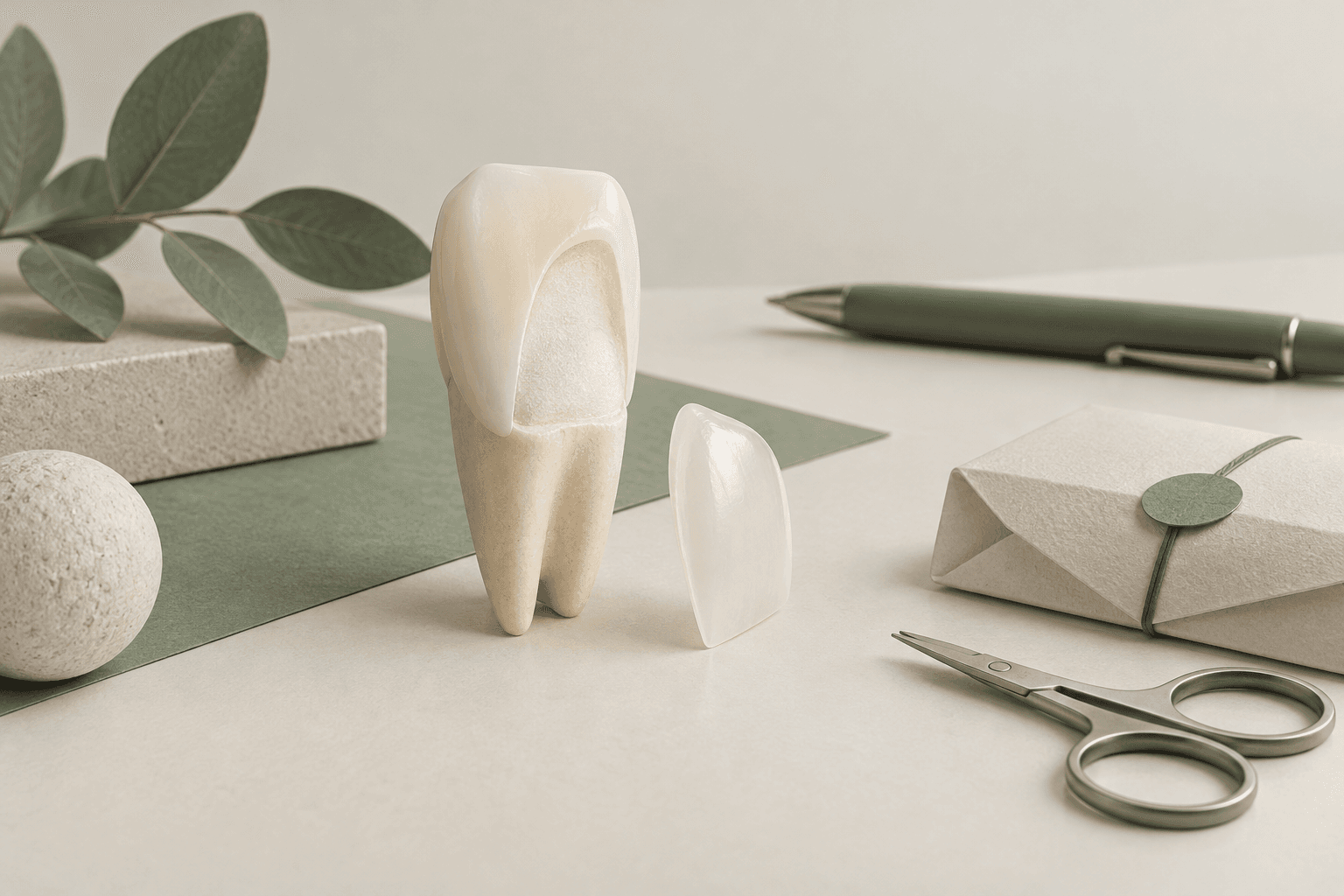
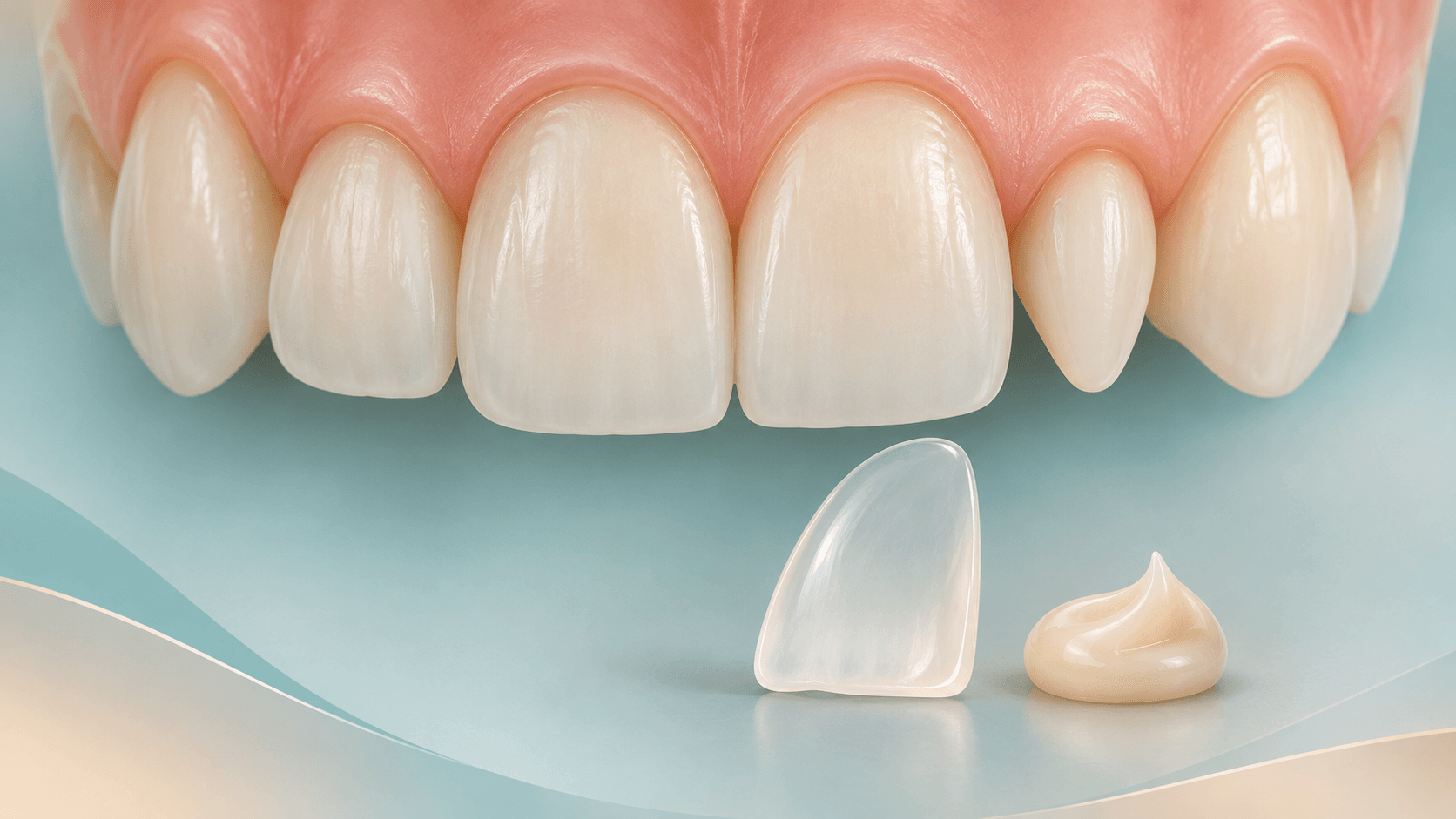
Those who wear porcelain veneers should avoid biting nails and biting hard objects. This is a guideline from the American Dental Association (ADA) for taking care of veneers. The resistance of ceramic does not make it safe to use teeth as a tool. If these habits are part of your routine, it is worth talking about them before starting treatment and also at follow-up appointments.
Why tell the dentist that you bite nails?
The ADA explains that veneers can chip, crack, wear out, or come loose over time. The recommendation to avoid nails and hard objects is part of damage prevention. Having this habit does not allow you to predict when a piece will break, nor is it enough to define on your own whether you can receive veneers: the decision requires individual evaluation.
Pens and packaging also enter this conversation
The Cleveland Clinic advises not to use your teeth to open packages or tear off labels. Biting the tip of a pen also falls under the care of hard objects described by the ADA. There is no home test of strength or a number of bites in these guidelines that can be considered safe for your pottery.
How to take the habit to the consultation
Instead of trying to hide a routine that is difficult to change, describe concrete situations. You can organize the report with these questions:
- Do I often bite nails or bring objects to my mouth while working or studying?
- Do I use my teeth to open packages when I can't find scissors?
- Have I noticed any change in the veneers after these situations?
- What precautions should I agree with the professional for my routine?
This script is meant to prepare the conversation, not to diagnose the cause of the habit. If you have difficulty stopping it, tell your professional so. The text does not propose behavioral treatment or indicate devices to use on your own.
What to do if something looks different on the veneer?
The Cleveland Clinic recommends contacting the dentist when something does not seem right in those who already wear veneers. Report what happened and the perceived change. The need to repair, refix or replace a part depends on the evaluation, according to the possibilities described by the ADA. It is not possible to decide the conduct only by the reported habit.
A care that does not replace the others
Avoiding these uses of the teeth is a part of maintenance. The Cleveland Clinic also recommends a soft brush, non-abrasive fluoride toothpaste, cleaning between teeth, and regular follow-up. The further reading below explains veneer maintenance more broadly and advises on loose or broken parts.
Frequently asked questions
Doubts that help prepare the conversation.
Does resistant porcelain allow you to bite objects?
No. The ADA advises avoiding nail biting and chewing on hard objects even in those who wear veneers.
Traceability
Sources
- Veneers — care and limits of veneersAmerican Dental Association (ADA)
- Dental veneers — daily care; update on 07/18/2022Cleveland Clinic
- Related Reading: Loose or Broken VeneerBlog Dr. Rodolfo Segawa